My Favorite Instagram Travel Hashtags

I am officially hooked on Instagam. I love going through the images and being inspired by so many great photographers. It’s the best of the best that truly spark my creativity. I admire their works and instantly want to amp up my game and skills. It’s the best platform for sharing travel photography
There are countless travel hashtags to follow however these are specifically curated because of the high quality of photography as well as subject. I’m looking particularly for great storytelling by observing how the photographer is telling the story of the location they are visiting.
If you enjoy high quality beautiful images I highly recommend exploring the following hashtags. There are my favorite travel related hashtags.
1. #instatravel 10,206,343 posts

2. #travelgram 8,803,808 posts

3. #scenery 5,808,646 posts

4. #travelinggram 3,533,355 posts

5. #instapassport 2,609,812 posts

6. #neverstopexploring 2,280,555 posts

7. #travelphotography 1,680,355 posts

8. #wonderful_places 1,648,269 posts

9. #cityscapes 1,496,460 posts

1o. #lifeofadventure 1,361,906 posts

11. #letsgosomewhere 1,285,669 posts

How about you? What are your favorite Instagram hashtags?
You can find me on Instragram by clicking here.
How to Create a Travel Inspiration Journal

An inspiration journal is central place where you can jot down ideas and other things that will inspire you to achieve your goals. It can help you get started, unstuck, or maybe lead you into a completely different direction but mainly motivates you into action.
You can create an entire journal of strictly inspiration or like me have a combination of places I’ve enjoyed and would love to revisit along with bucket lists of things I’d like to do and places I’d like to see.
When we travel the experience is usually over far too quickly. By journaling we get to explore how we felt about the places we went to and the activities we participated in. We get to know ourselves better by clarifying our thoughts.
Journals also serve as records. We can record our progress or expound on the places we’ve been. Sometimes it’s helpful to look back so we can realize all that we’ve accomplished.
These books will get your creativity started.
An Illustrated Journey: Inspiration From the Private Art Journals of Traveling Artists, Illustrators and Designers

The Art of Urban Sketching: Drawing On Location Around The World


A World of Artist Journal Pages: 1000+ Artworks – 230 Artists – 30 Countries

Writing Away: A Creative Guide to Awakening the Journal-Writing Traveler (Travelers’ Tales)

Two major trends have recently swept the travel world: the first, an overwhelming desire (thanks to Elizabeth Gilbert’s bestseller, Eat, Pray, Love) to write one’s own memoir; the second, an explosion of social media, blogs, twitter and texts, which allow travelers to document and share their experiences instantaneously. Thus, the act of chronicling one’s journey has never been more popular, nor the urge stronger.
Writing Away: A Creative Guide to Awakening the Journal-Writing Traveler, will inspire budding memoirists and jetsetting scribes alike. But Writing Away doesn’t stop there—author Lavinia Spalding spins the romantic tradition of keeping a travelogue into a modern, witty adventure in awareness, introducing the traditional handwritten journal as a profoundly valuable tool for self-discovery, artistic expression, and spiritual growth.
Writing Away teaches you to embrace mishaps in order to enrich your travel experience, recognize in advance what you want to remember, tap into all your senses, and connect with the physical world in an increasingly technological age. It helps you overcome writer’s block and procrastination; tackle the discipline, routine, structure, and momentum that are crucial to the creative process; and it demonstrates how traveling—while keeping a journal along the way—is the world’s most valuable writing exercise.
Globejotting: How to Write Extraordinary Travel Journals (and still have time to enjoy your trip!)

Most travel diaries fizzle. By day six of a big trip, people are struggling to recall what happened on days three, four, and five. They return home with mostly empty journals, or bland writing that fails to capture the full spirit of their journeys. Award-winning travel humorist Dave Fox comes to the rescue in this book that’s both informative and irreverently funny. You’ll learn to: Bring destinations to life with bold details.Splash those details quickly onto your pages so journaling doesn’t gobble up your precious vacation time.Elude your Inner Censor and write with confidence.Weave together your outer and inner journeys, using unfamiliar places as a backdrop for self-discovery.
Dave shares his favorite journaling techniques, shows how to find time to write in the middle of an exciting trip, and infuses it all with a generous dose of his off-the-wall humor. Whether your journeys are weekend road trips or excursions around the world, this book will help transform you into a travel journaling superhero!
Once you’ve found some inspiration to get you started choose the type of sketchbook, binder or journal you would like to use.

Carolina Pad Studio C Zip-it Notebook with Zipper Pouch Cover
Pocket Leather Journal with Owl Handmade Blank Craft Paper Brown with Gift Box
or binder
Kate’s Paperie Binder with Set of 3 Journals, The Art of Travel
Genuine Leather Journal Notebook Refillable with Cool Lock 6-ring Loose Leaf Binder
I’m inspired by colors, textures, mixed media, positive quotes, photos, places, travel, sewing, fashion,jewelry, music, art, painting, movies, stories . . .

Ideas to get you going.
Top ten list
Bucket list
Favorite travel quotes
Favorite places
Start with a map
Start with a ticket stub
Start with a postcard
Cut out magazine photos
Start with a photo you took
Favorite thing you ate
Describe the smells
Describe the texture
Describe the taste
Most exciting
Least exciting
I’ll never do that again
Do you have a travel inspiration journal?

The Willis Tower was originally built and still commonly referred to as the Sears Tower. This 108-story skyscraper is one of the most famous landmarks in Chicago, Illinois. It took 2,000 workers three years to build and has been open to the public since 1974. It’s the second tallest in North America and the Western Hemisphere and the eight tallest building in the world.

If you’re visiting Chicago I highly recommend checking out the views from this iconic skyscraper. The Skydeck is the highest observation deck in the United States and from the 103rd floor features expansive views of the city and lake front. Visibility from the Skydeck is approximately 40-50 miles. On a clear day you can see four states: Illinois, Indiana, Wisconsin and Michigan.

Fun Fact
The average sway of the building is six inches from true center. But don’t worry the building is designed to sway up to 3 feet and you won’t feel it anyway.

Insider Tip
The Willis Tower Skydeck is a popular attraction, which receives about 25,000 people each day. The best times to visit are either early morning or evening. One way to beat the long lines and save money is to purchase a Chicago CityPASS. If you purchase the booklet ahead of time you can totally by pass super long lines and go straight to the elevator that swoops you up to the Skydeck.
The CityPASS also includes entrance to Chicago’s most popular attractions, The Field Museum, Shedd Aquarium, The Art Institute, Museum of Science, Planetarium, etc. It comes out way cheaper than purchasing tickets for each individual attraction. Especially if you’re traveling as a family.

Chicago CityPASS ~ See the Best and Save Money
Have you visited the Skydeck at the Willis Tower?
Where you brave enough to step out onto the platform?

Today’s post is filled with travel photography tips to help you capture the best vacation memories. When we take a photo not only are we preserving precious memories but we are also documenting a place. We are capturing the essence of a place at a particular time in history.
Angles
Just a slight shift in position can dramatically alter a photo.

Unusual angles can add impact and different perspectives. They can bring out point of views we normally don’t see. How to get different perspectives:
Lighting
Lighting is everything when it comes to photography. 
The hardest time to get a good picture is during the bright middle of the day. The best times to shoot are early morning and early evenings. An added benefit to being out and about so early is avoiding large crowds.
Framing
Framing is the technique of drawing attention to the subject of your image by blocking other parts of the image with something in the scene.

Framing gives the image depth and layers while leading the eye to your focal point.
Zoom In
Zooming in can bring texture to your photos. 
Zooming out can be awe inspiring.

Subject
Don’t center your subject.

Do you have any photography tips? Share them below.
In art we look at form and method to describe an artists style. An artistic style is a combination of equipment, genre, subject, place, motivation and skills. It’s the expression of theme and concepts.
Subject is what you photograph.
Photography style examples: Photojournalism, Black and White, Digital, Nature, Portrait, Fine Art, Documentary, Classic, Fashion, Commercial, Sports, Landscapes, Macro, Panoramic, Nude, Food, Abstract, Illustrated,
Fine art is the expression of an artist’s perceptions and emotions.
All of my art is an expression of an emotion.
We took advantage of the long weekend and headed to Legoland Florida. Legoland is a great place for families with children under 13 because all of the rides are built with them in mind. They will be able to get on most rides and have plenty to do from park opening until park closing.
The park was built on the site previously known as Cypress Gardens. I was elated to find the gardens fully maintained and well preserved. What a great place for photographers. I have quite a few gorgeous captures from the gardens. I love taking photos among nature. I loose myself and become one with the landscape while trying to capture its point of view. All of the photos in this post were taken there by me over the weekend.
Today I’m thinking about what makes a great photo. First and foremost a great photo tells a story. To tell a great story you must select a subject. Think about what you want to say about the subject. Then you must figure out how to convey this message/story through images.
Learning the elements of photography will help you become a better story teller. It’s not about memorizing or strictly adhering to any rules simply reading about and revisiting will help you decide when you are out and about with your camera. There are several elements. This post focuses on lines.
 |
| Cypress Gardens 11/11/11 |
Lines can lead you away, move you forward in an image and have an emotional effect. The main line in an image leads the viewer through the picture space.
Two types of lines: implied and inherent create subconscious interest from the viewer.
Implied or suggested lines are imaginary not necessarily physically apparent; created by our minds through the perceptions we hold in our consciousnesses.
Inherent lines physically exist.
 |
| Cypress Gardens 11/11/11 |
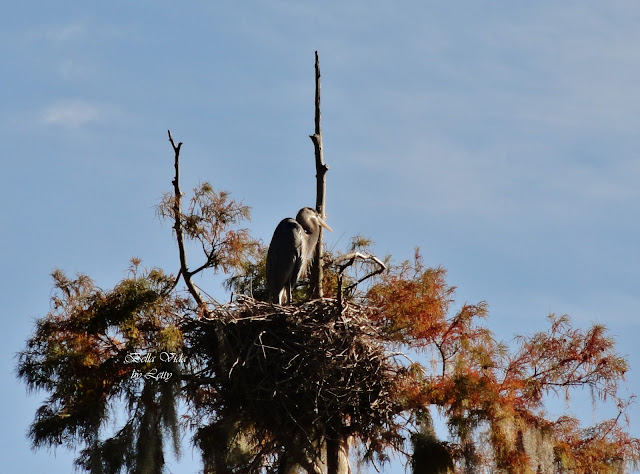
These photos have two lines. A horizontal line comprised of tree branches and foliage where the subject sits and a vertical branch sticking straight up to the sky immediately grabs your attention.
Lines in photography can run horizontally, vertically, diagonally, or be curved.
 |
| Banyan Tree Cypress Gardens 11/11/11 |
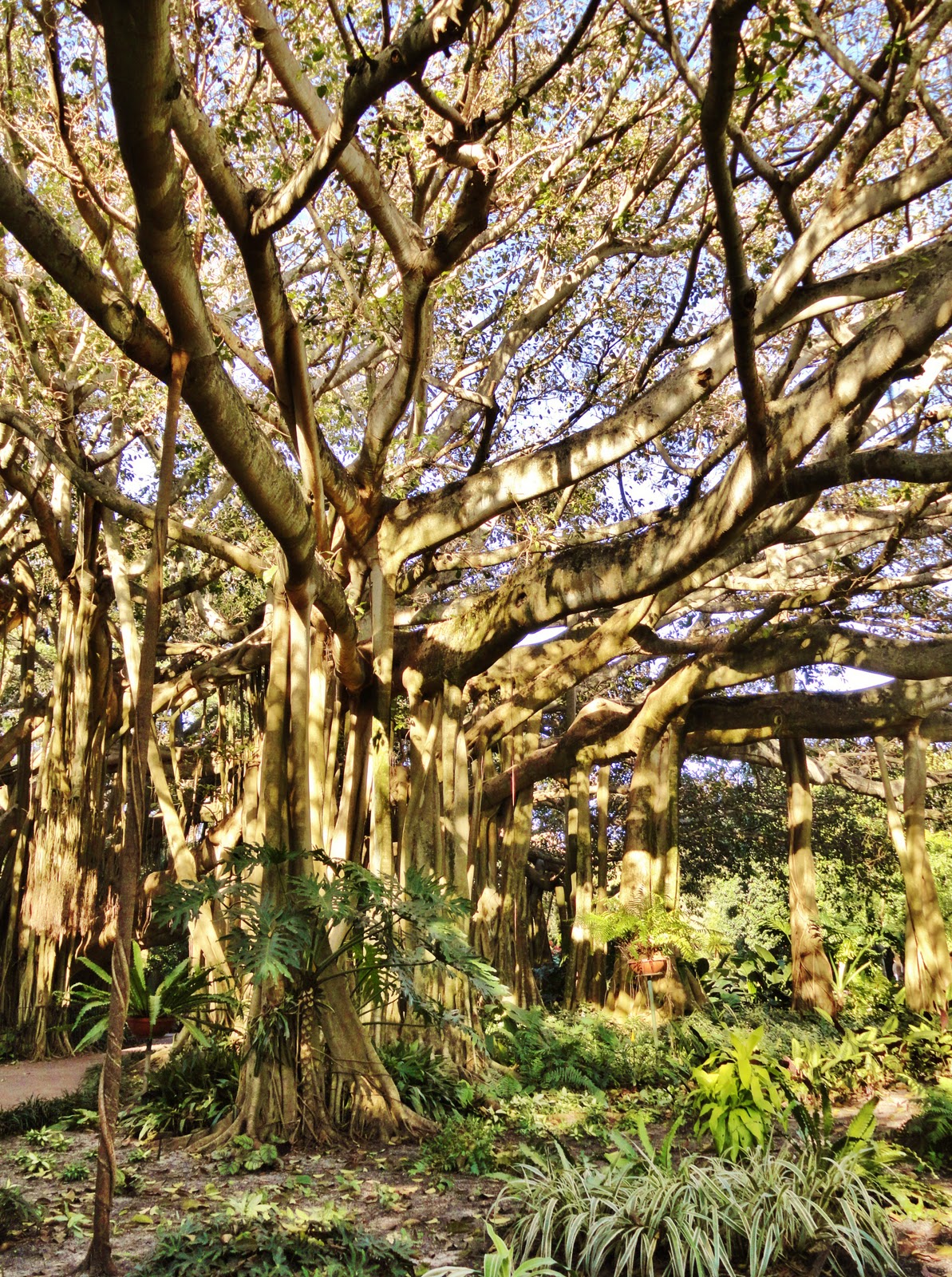
Layers of multiple horizontal lines in an image can create drama and rhythm.
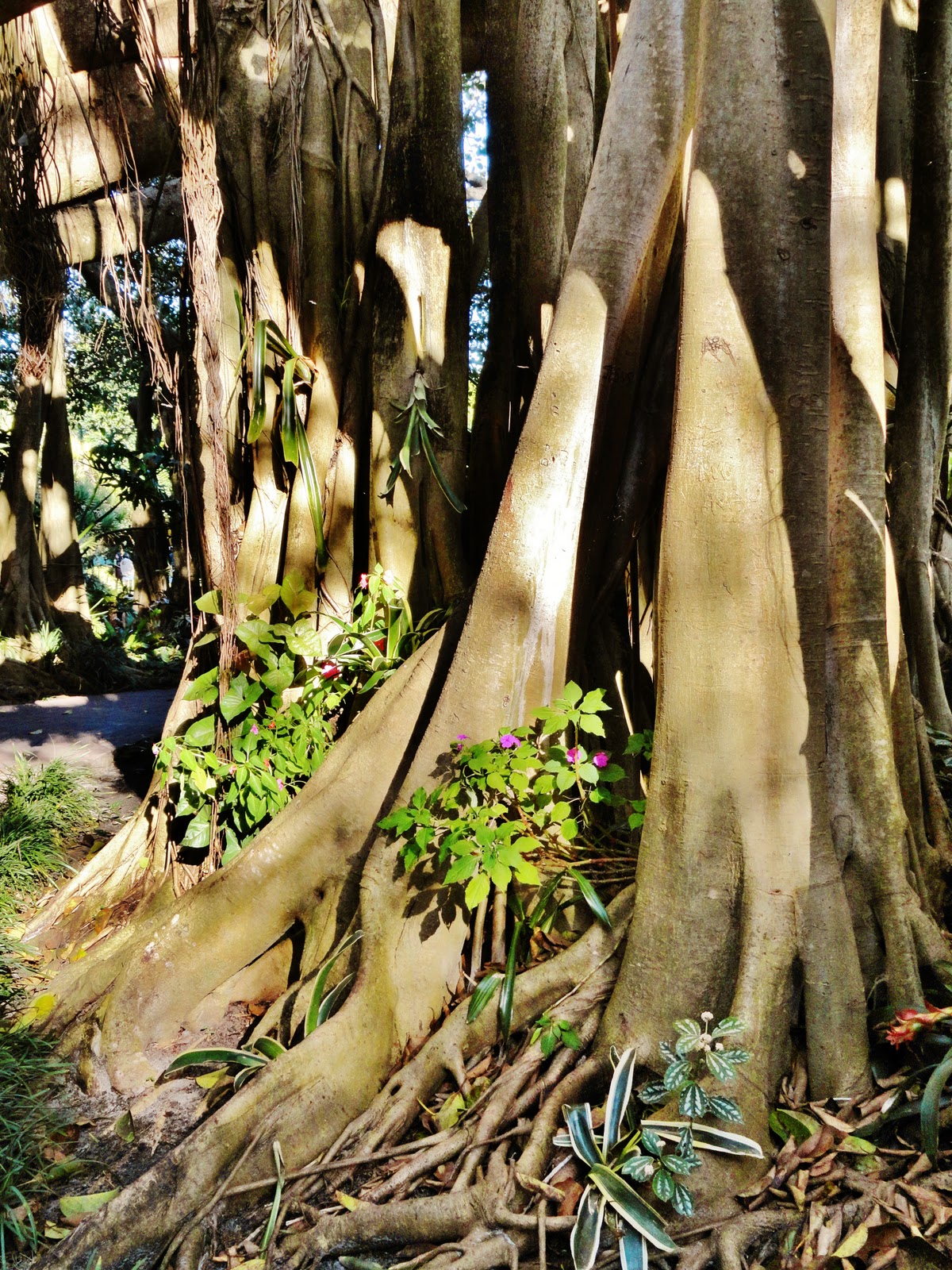
Lines can be used to direct the viewer’s interest, emphasize parts of the frame, and generally create interesting effects.
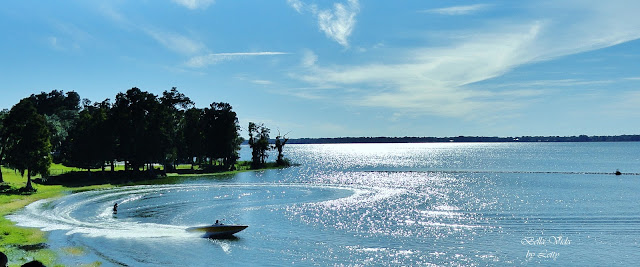
Curved lines suggest sensuality, elegance and a serene sense of balance.

~~~~~~~~~~~~~~~~~~~~~~~~~~~~~~~~~~~~~~
~~~~~~~~~~~~~~~~~~~~~~~~~~~~~~~~~~~~~~
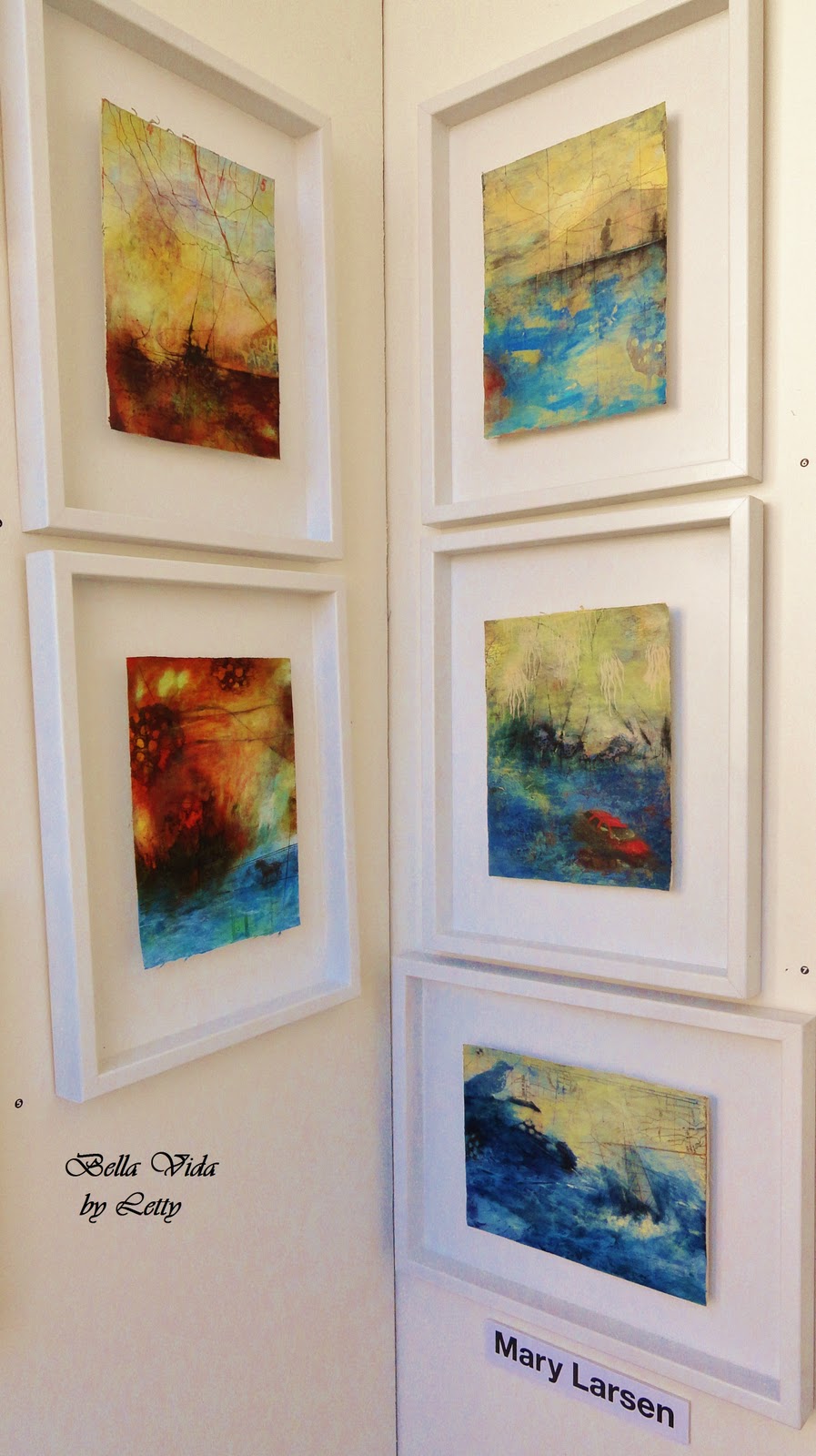
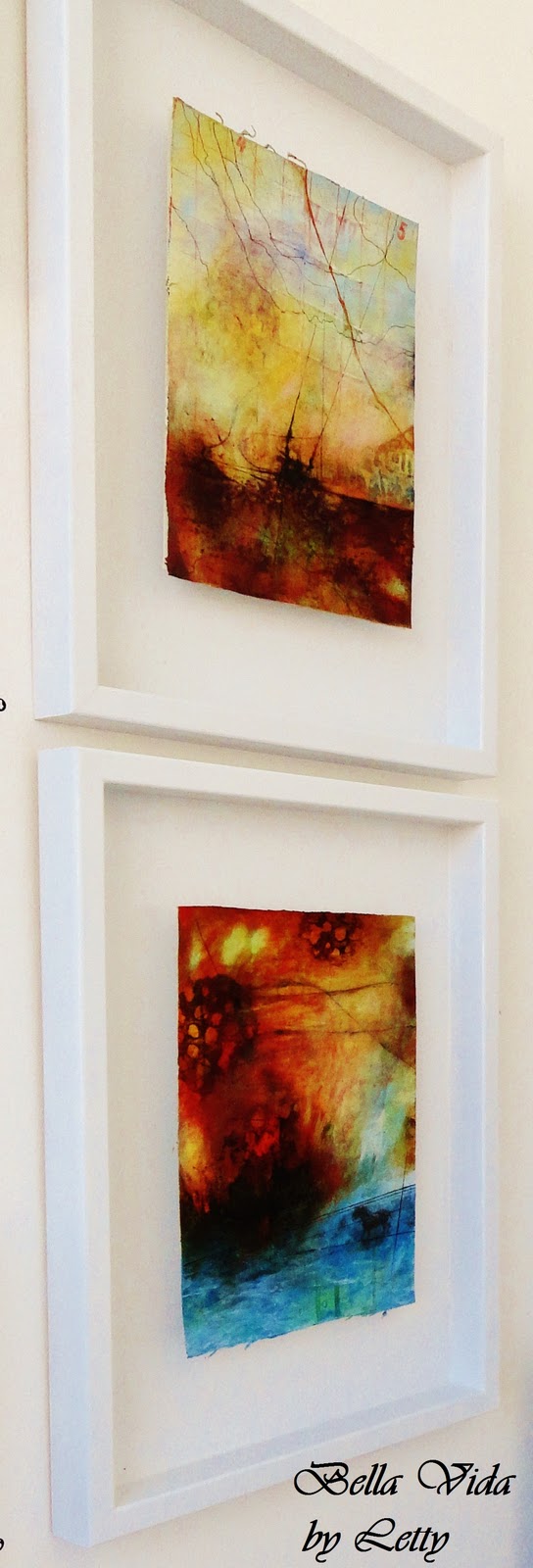
The photos in this post were taking by me at the 2011 Wynwood Art Fair.
Color relies on our interpretation of them. In both photography and painting the qualities of any given color rely on the light source.
Natural Light in Color Photography
At different times of the day, different shades of the color spectrum dominate natural light.
For instance, at midday, the blue portion of the color spectrum is dominant. Color photography taken at midday produces the clearest, sharpest pictures in bright light.
In contrast, natural light at sunrise and sunset emphasizes the red portion of the color spectrum. Known as warm light in photography, sunrise and sunset light produces warmer pictures with a softer contrast.
Indoor lights typically give off a yellow hue; fluorescent and natural lighting tends to be more blue.

Color temperature is a term used to describe the relative hue of a specific light source. Every light source will emit a particular hue of color. Normal daylight also known as white light, is generally considered to be around 5000 Kelvin. Your average household light bulb, however, emits more of an orange color, around the 2500 Kelvin mark, and a cloudy day can increase the color temperature to anywhere from about 7000 Kelvin up to 10,000 Kelvin, resulting in a blue coloring.
In digital photography, color temperature is sometimes used interchangeably with white balance, which allow a remapping of color values to simulate variations in ambient color temperature.
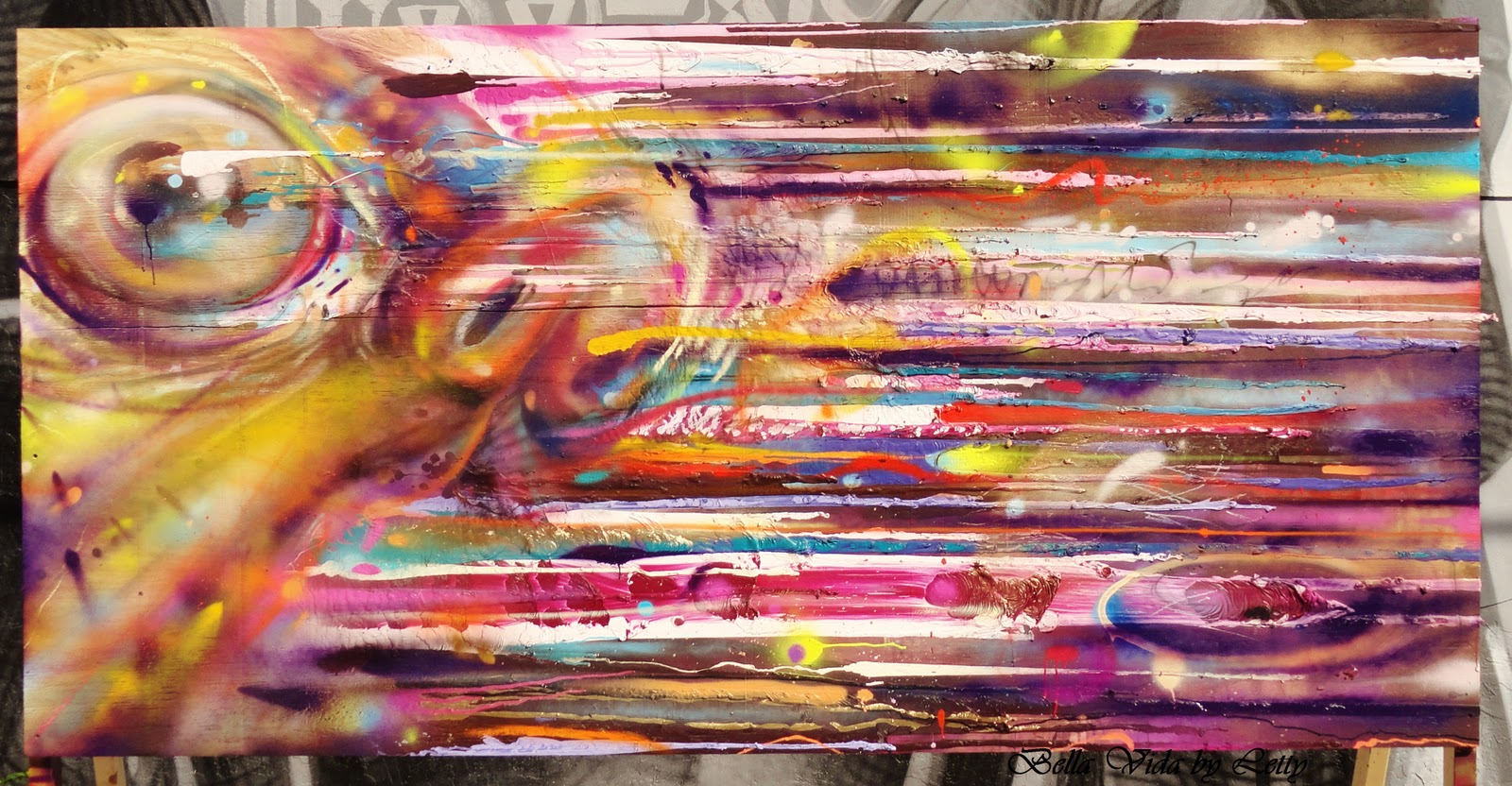
Hue: The property of colors by which they are seen as ranging from red through orange, yellow, green, blue, indigo, and violet, as determined by the dominant wavelength of the light.
Brightness: The location of a visual perception along a continuum from black to white
Saturation: The vividness of a color’s hue. Saturation measures the degree to which a color differs from a gray of the same darkness or lightness.
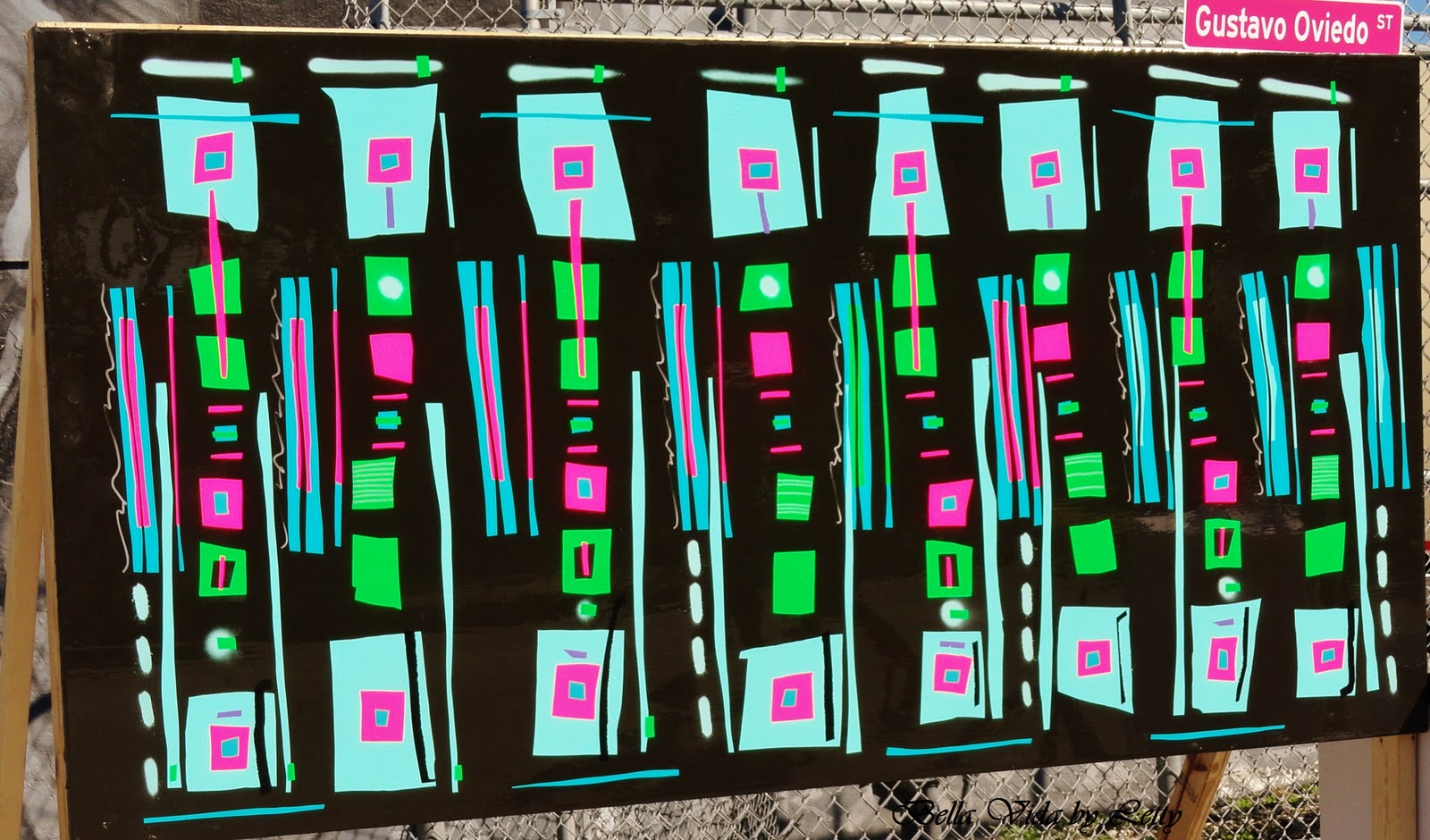
Warmer colors are more intense than cooler colors, and they tend to appear to advance toward us, while cooler colors appear to recede.

Sharing with:
Today I stumbled across The Kat Eye View of the World blog and was completely inspired by her post on texture. I went immediately to my files to explore my photo captures for texture.


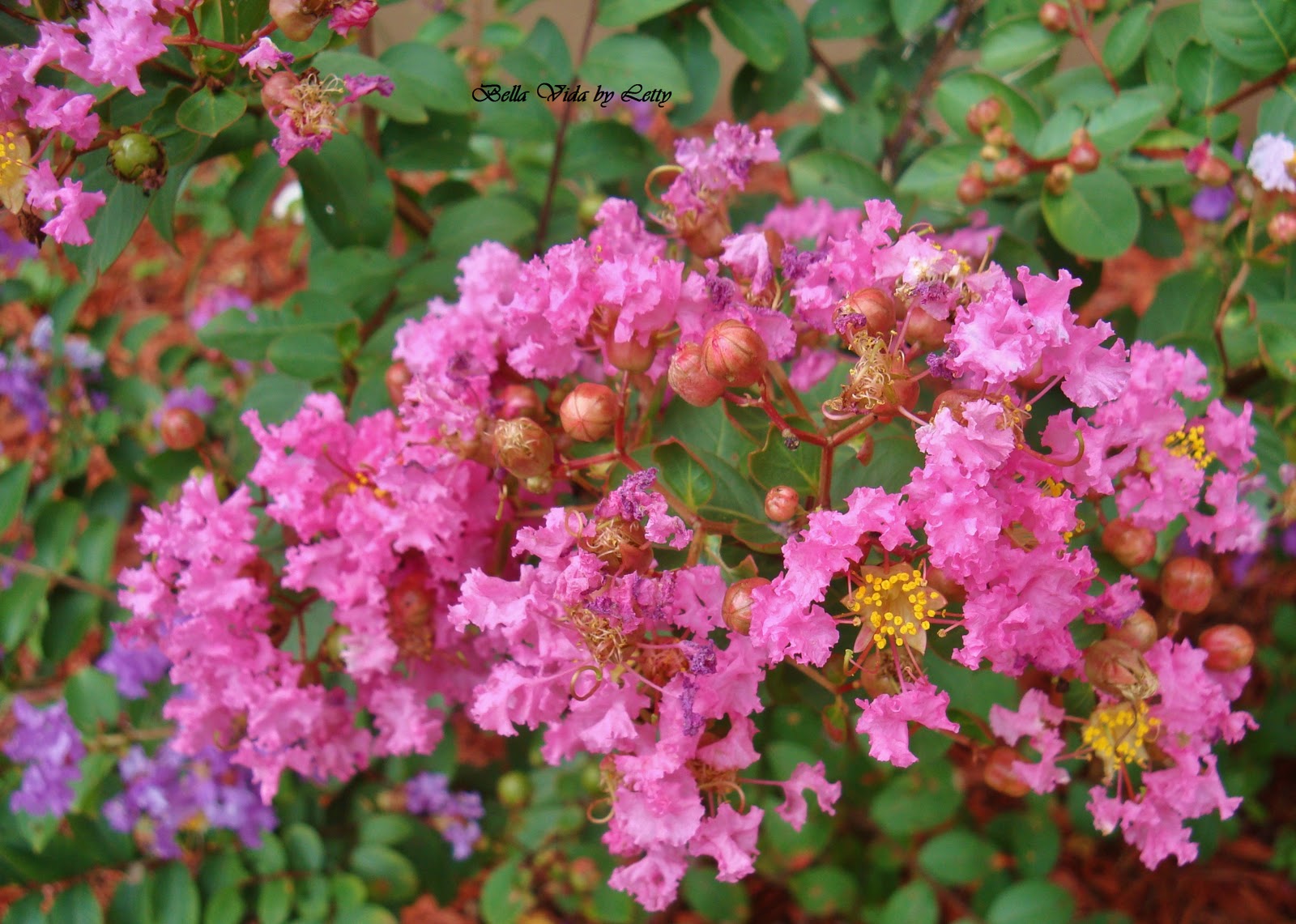
I love photographing nature because of it’s ability to survive no matter what. It changes if and when it needs to. I hope you are inspired to explore the textures of your world.
What projects are you working on?
~~~~~~~~~~~~~~~~~~~~~~~~~~~~~~~~~~~~~~~~~~~~~
~~~~~~~~~~~~~~~~~~~~~~~~~~~~~~~~~~~~~~~~~~~~~
Sharing with:

“A musician must make music, an artist must paint, a poet must write, if he is to be ultimately at peace with himself.”Abraham Maslow
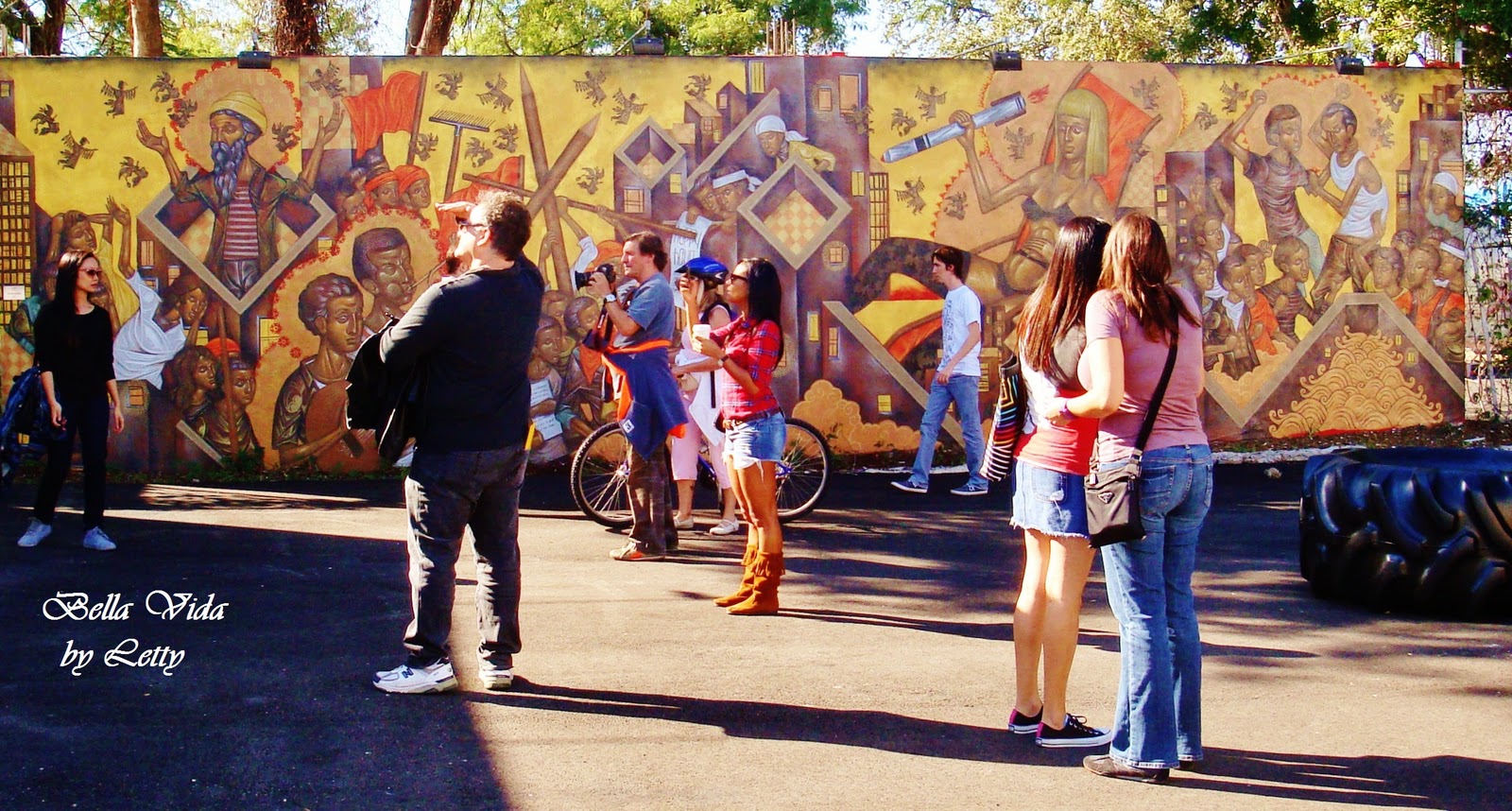 |
| Wynwood Walls 2010 |
Knowing The Elements of Art will enable you to describe and analyze a piece
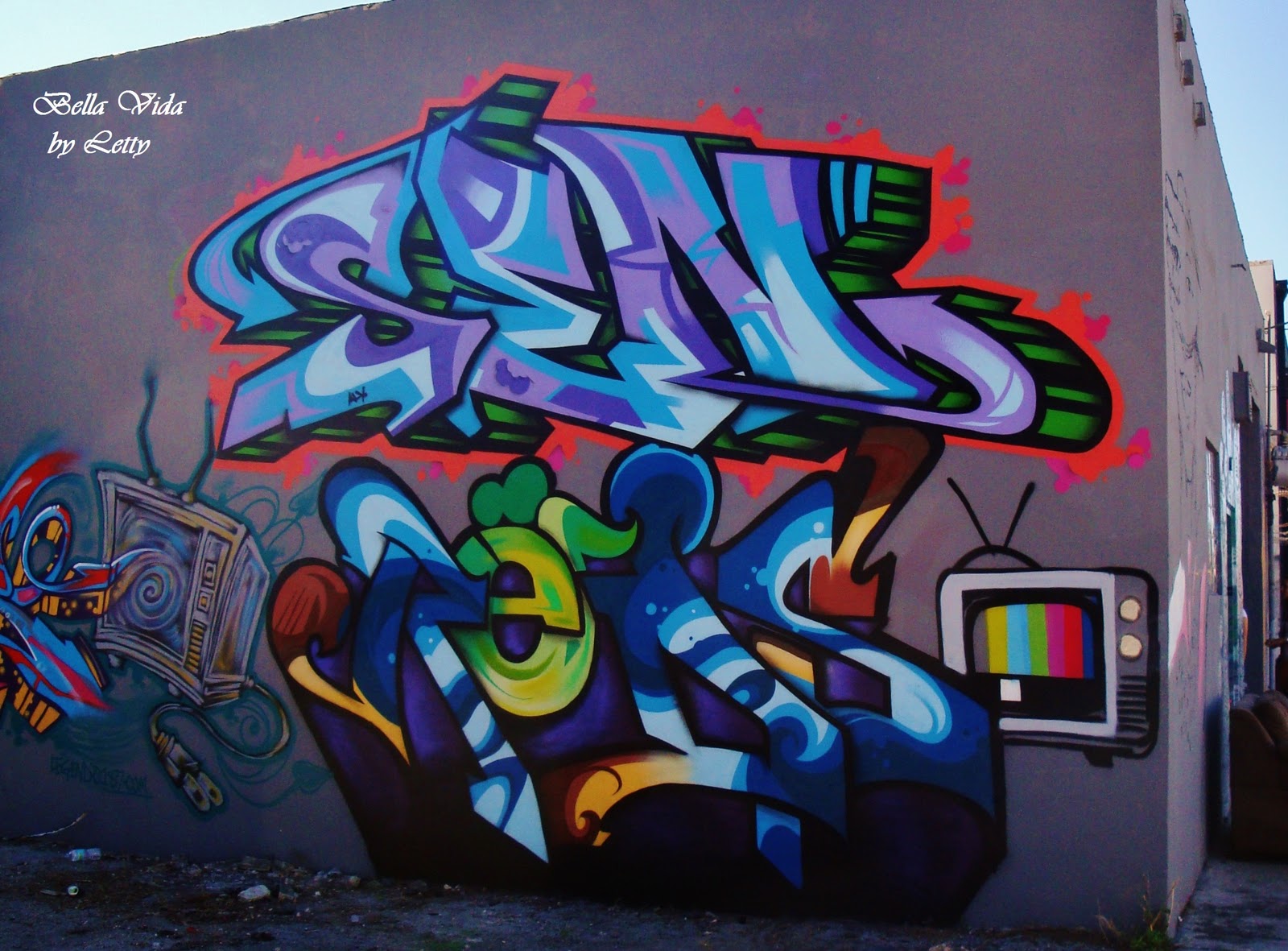 Line: A moving point. The path a viewer’s eye takes as it follows shapes, colors and form along a path, not necessarily continuous or physically connected. Lines lead around the composition communicating information through character and direction.
Shape: Shapes are defined by other elements of art: Space, Line, Texture, Value, Color and Form. Shapes have two dimensions–height and width–and are usually defined by lines. Forms exist in three dimensions, with height, width, and depth.
Form: Three-dimensional showing height, width and depth. Three-dimensional form is the basis of sculpture, furniture, and decorative arts and can be seen from more than one side.
Texture: The quality of a surface which can be real or created.
Color: Color has three main characteristics: hue (red, green, blue, etc.), value (how light or dark it is), and intensity (how bright or dull it is). Colors can be described as warm (red, yellow) or cool (blue, gray), depending on which end of the color spectrum they fall.
Value describes the brightness of color. Artists use color value to create different moods.
Intensity describes the purity or strength of a color. Bright colors are undiluted and are often associated with positive energy and heightened emotions. Dull colors have been diluted by mixing with other colors and create a sedate or serious mood.
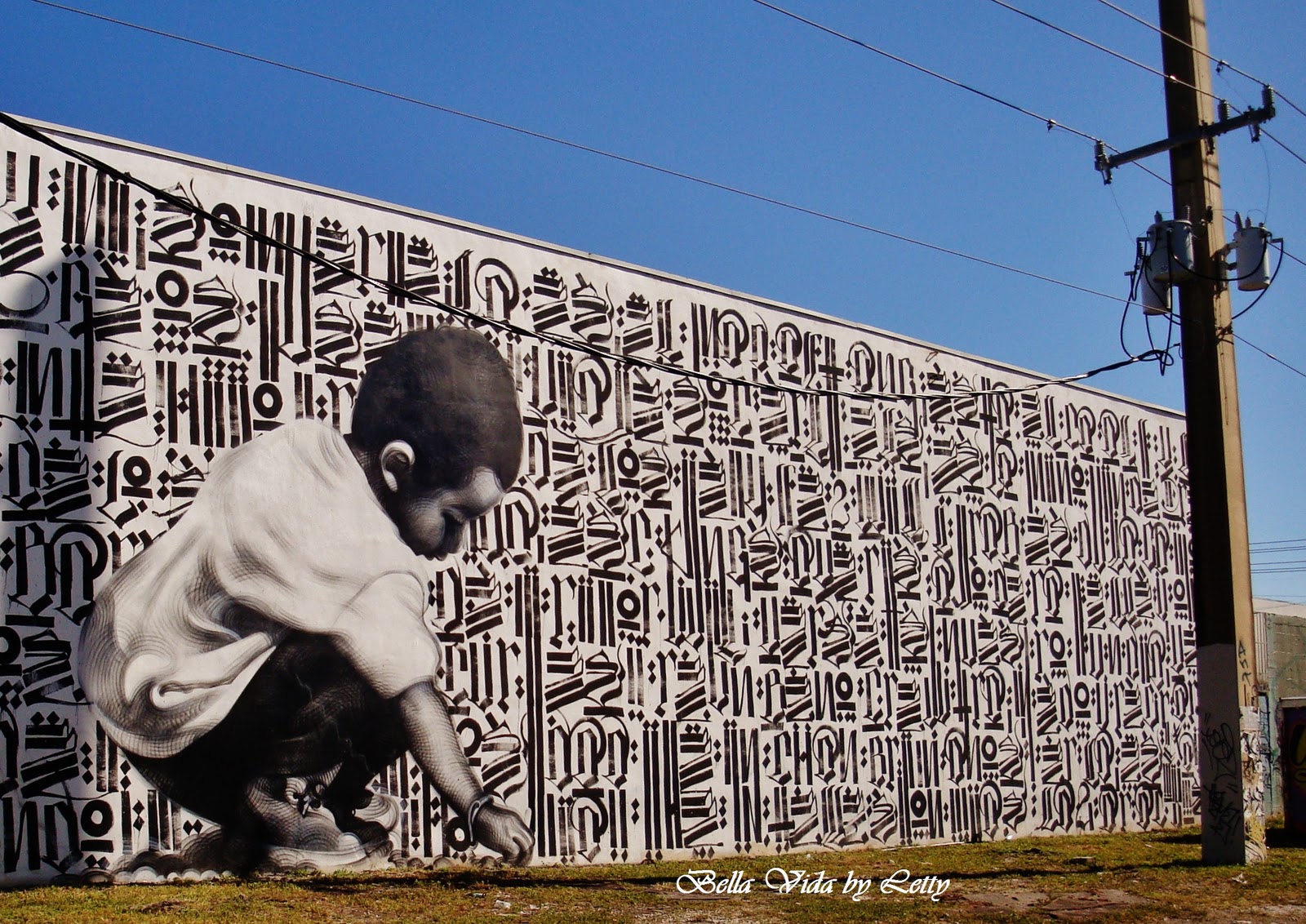
“The world today doesn’t make sense, so why should I paint pictures that do?” Pablo Picasso
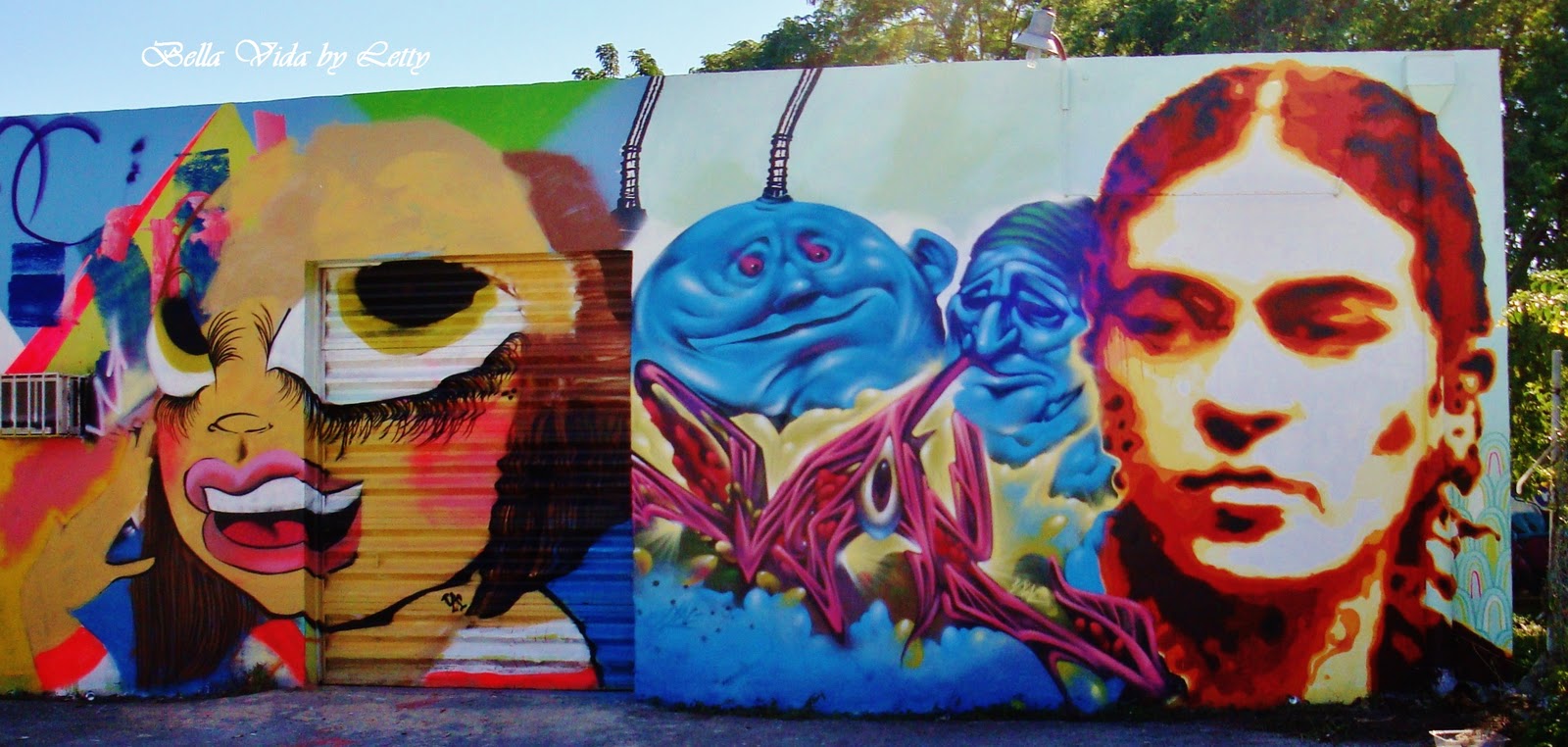
“I don’t paint things. I only paint the difference between things.” Henri Matisse
“A man paints with his brains and not with his hands.” Michelangelo
“The only time I feel alive is when I’m painting.” Vincent van Gogh
Sharing with:
 |
|
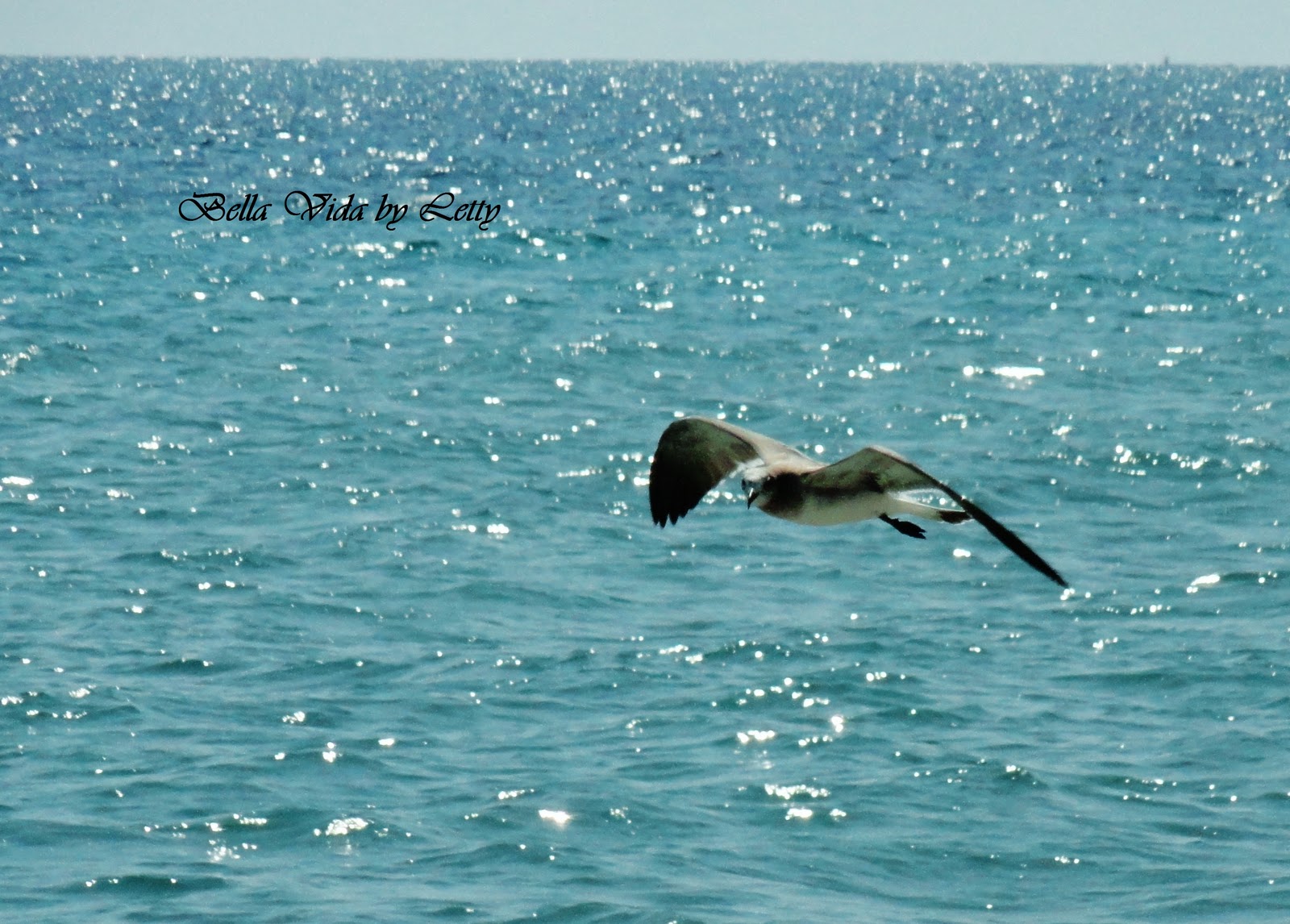
| Seagull checking me check him out 2011 |
A great photo tells a story without words. Photographing your subject in action is a great way to visually tell a story. In addition to being artistic, action photos are about documenting life precisely as it happens in a given moment.
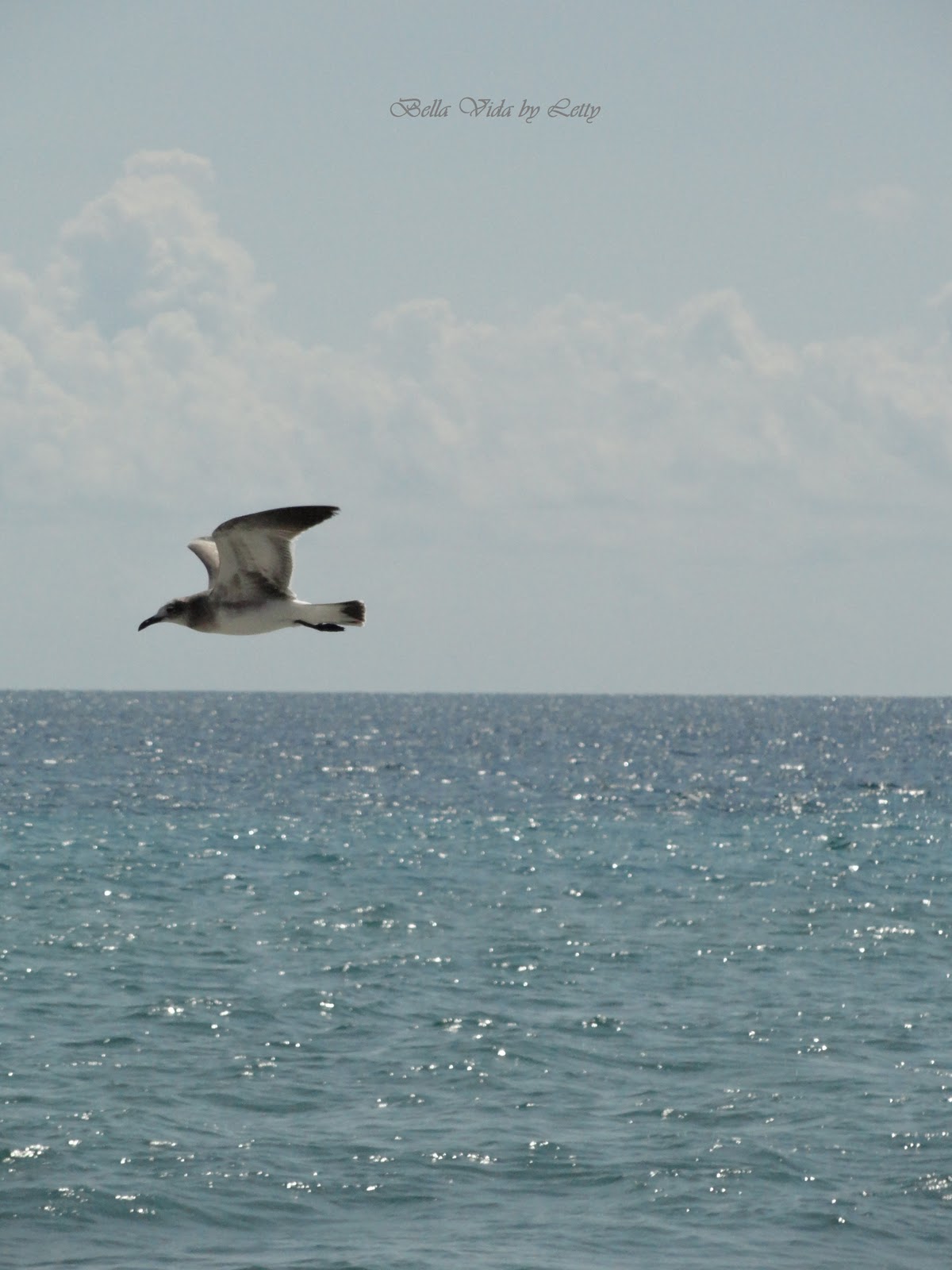 |
| Peace out |
When I talk about taking action photos I’m not only referring to sports or nature but to life in general. For example, when photographing a child’s birthday you may want to capture their reaction upon seeing or tasting the cake. Something that made them laugh, a kiss or hug, etc.

During live musical performances you can count on a spectacular moment during the chorus or guitar solo. In both these examples the camera is zoomed in on it’s subject eliminating the unnecessary.

Capturing movement such as dance requires anticipation.


Capturing people interacting can be tricky. The photographer should make the subject feel comfortable and at ease. Your goal is to have them forget the camera is there.

Coretta and Martin Luther King

Provocation:
Sometimes the photographer can provoke a reaction becoming part of the story.


In the next photos life is documented through the eyes of the photographer.
We see what the photographer is seeing.
I could look at these pictures over and over and not get tired of dissecting them.


A woman is struck down during a suffragette demonstration in 1903.

If you enjoyed these tips here’s a post with tips for taking Fabulous Portraits.
~~~~~~~~~~~~~~~~~~~~~~~~~~~~~~~~~~~~~~~~~~~~~~~~~~~~~~~~~~~~~~~~~

September Fall Crawl Theme: All things Fall Inspired
To participate and for more info check out
The Artsy Girl Connection.
Today’s featured blog is Photography by Lars & Kim where you will find great photography as well as unique and interested crafts, gifts and jewlery.
~~~~~~~~~~~~~~~~~~~~~~~~~~~~~~~~~~~~~~~~~~~~~~~~~~~~~~~~~~~~~~~~~
Sharing with The Vintage Apple

The photos I post are mainly scenic but I do enjoy looking at portraits. When I was a kid I’d play this game where I would look at someone and try to see their beauty. Meaning my eyes acted as filter to emphasize the persons most beautiful qualities and make them stand out. Then I would do the complete opposite and try to find the ugly. Did you ever play this game? It was almost like viewing a completely different person. Yes, I know I have always had an overactive imagination. 🙂
I love photos were I cannot identify the person because they were captured in a way that is so different from my perception. I could stare at photos like these for hours trying to figure out this new side of them. The following are celebrity photos for which I had to do a double take to figure out who the person was. They can all be found on my Pinterest boards.
If you have any tips of your own please share them in the comments. I would love to read them.
– Eyes: focus their attention on something outside the field of view of the camera.
The audience is curious and wants to know why and what he’s looking at.

What’s so funny outside the frame?

Gael García Bernal
– Framing: I use this a lot coming from a video camera background.
This photo combines looking away from the camera and using a mirror to frame the subject.

Windows and Doorways are the easiest frames to find.

Using Patterns to frame the face

– Background: let your imagination run wild
I think this shot of Robert Downey Jr. is amazing because it shows the open road behind him. It gives us a story. He’s been somewhere and he’s going somewhere. love it!

Using colors and shadows in your background to focus on a non centered subject.

Blurred Background

– Change your Angle
The camera is looking up at it’s subject.

It can be fun to literally tilt the camera.

I hope you enjoyed these tips and interesting photo finds. Don’t forget to leave me your photo tips.
If you’re on Pinterest you can Follow me Here.
~~~~~~~~~~~~~~~~~~~~~~~~~~~~~~~~~~~~~
~~~~~~~~~~~~~~~~~~~~~~~~~~~~~~~~~~~~~
If you’re on Pinterest you can Follow me Here.
 I'm based in the wonderful state of Florida and I write about travel, food, experiences and events. I share tips and tons of photos. If you have a question about visiting Florida let me know how I can help you.
This blog accepts ads, sponsorships, affiliate links, reviews and other forms of compensation. Assume everything is compensated . Honest opinions are for useful information and entertainment. Support BVBL Sponsors by Clicking on these Ads











 Copa America 2015 Chile Sweepstakes Enter Now
 5 Things I Wish I Knew Before I Started Blogging
 Cities of the Dead ~ New Orleans Cemeteries
 Travel: Doors of Savannah’s Historic District
 Exploring the French Quarter in New Orleans, Louisiana
 Beautiful Wanderlust Jewelry
 10 INSPIRING TRAVEL COFFEE TABLE BOOKS
 The Lincoln Memorial in Washington Dc
 Best Gift Ideas for Travelers a Gift Guide
 The Exorcist Steps in Georgetown Washington DC