energy in an isolated system remains constant over time
The only thing that can happen to energy in a closed system is be transformed from one state to another.
Energy is not a material substance.
 |
| 2010 |
ATP molecules
 |
| 2010 |
electrical signals sodium-potassium gate between 10 and 100 millivolts
 |
| 2010 |
 |
| 2010 |
elec·tric·i·ty
Pronunciation: /i-ˌlek-ˈtris-ət-ē, -ˈtris-tē/
fundamental entity of nature consisting of negative and positive kinds,
observable in the attractions and repulsions of bodies
electrified by friction and natural phenomena
“A musician must make music, an artist must paint, a poet must write, if he is to be ultimately at peace with himself.”Abraham Maslow
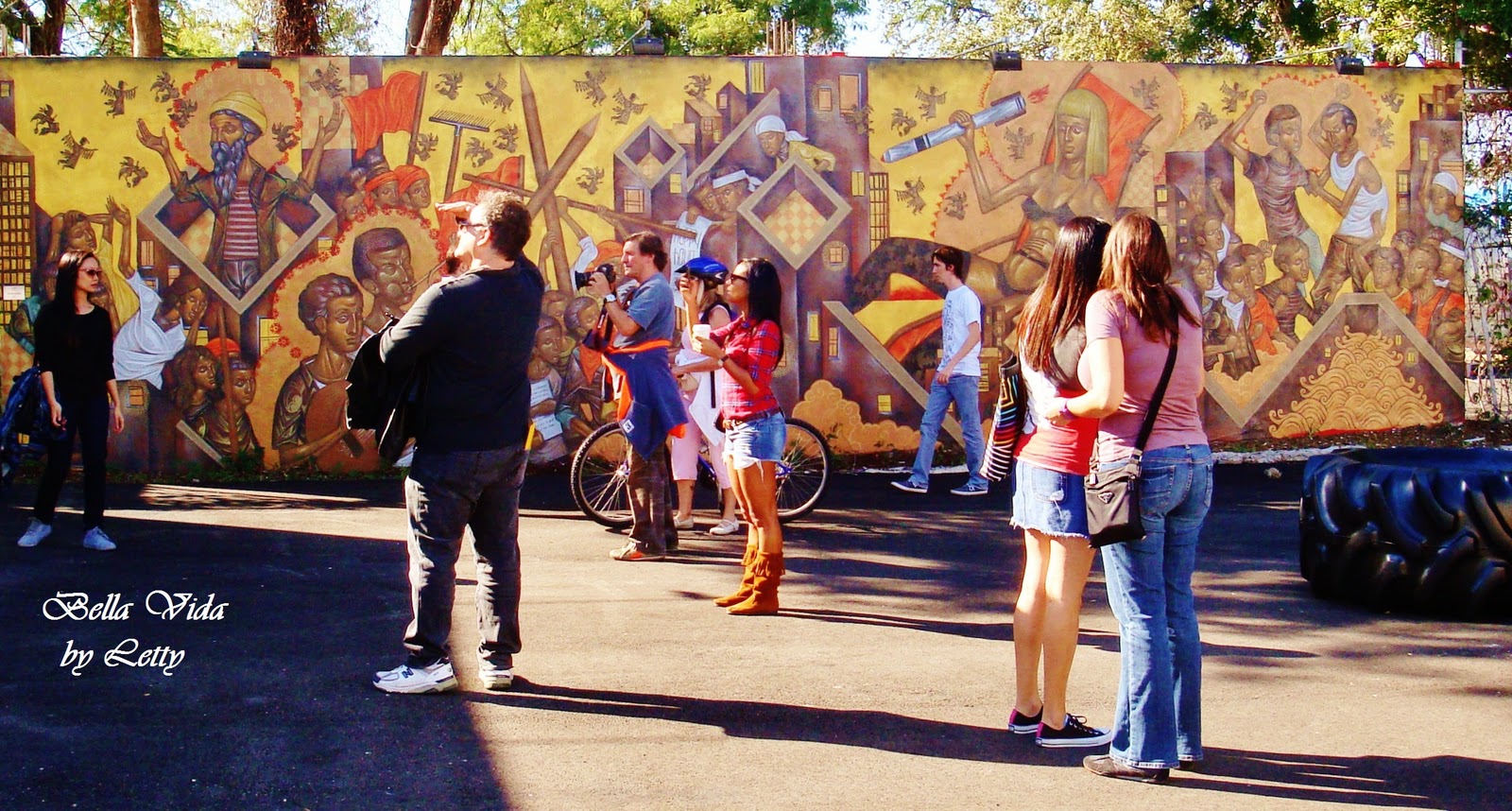 |
| Wynwood Walls 2010 |
Knowing The Elements of Art will enable you to describe and analyze a piece
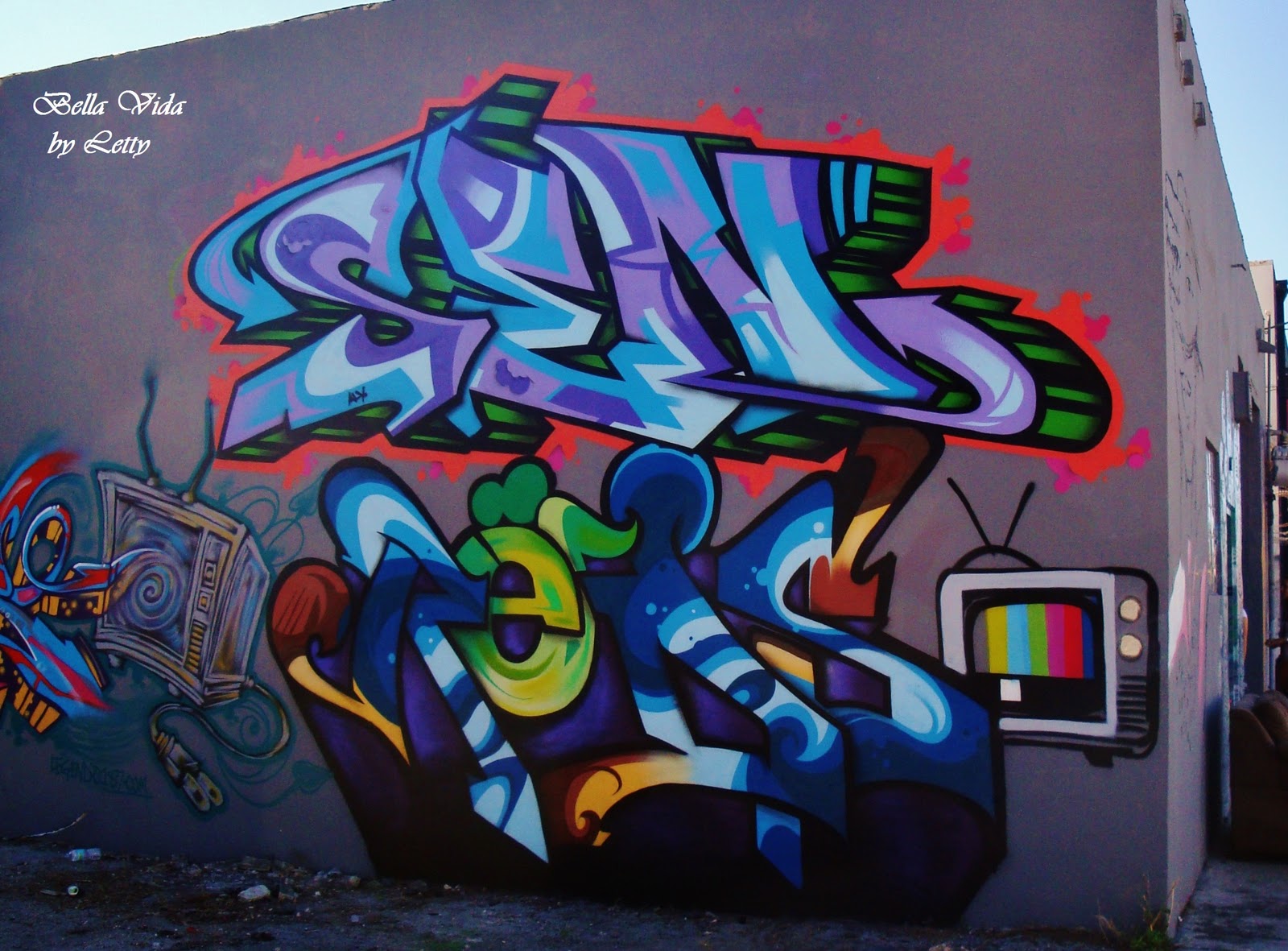 Line: A moving point. The path a viewer’s eye takes as it follows shapes, colors and form along a path, not necessarily continuous or physically connected. Lines lead around the composition communicating information through character and direction.
Shape: Shapes are defined by other elements of art: Space, Line, Texture, Value, Color and Form. Shapes have two dimensions–height and width–and are usually defined by lines. Forms exist in three dimensions, with height, width, and depth.
Form: Three-dimensional showing height, width and depth. Three-dimensional form is the basis of sculpture, furniture, and decorative arts and can be seen from more than one side.
Texture: The quality of a surface which can be real or created.
Color: Color has three main characteristics: hue (red, green, blue, etc.), value (how light or dark it is), and intensity (how bright or dull it is). Colors can be described as warm (red, yellow) or cool (blue, gray), depending on which end of the color spectrum they fall.
Value describes the brightness of color. Artists use color value to create different moods.
Intensity describes the purity or strength of a color. Bright colors are undiluted and are often associated with positive energy and heightened emotions. Dull colors have been diluted by mixing with other colors and create a sedate or serious mood.
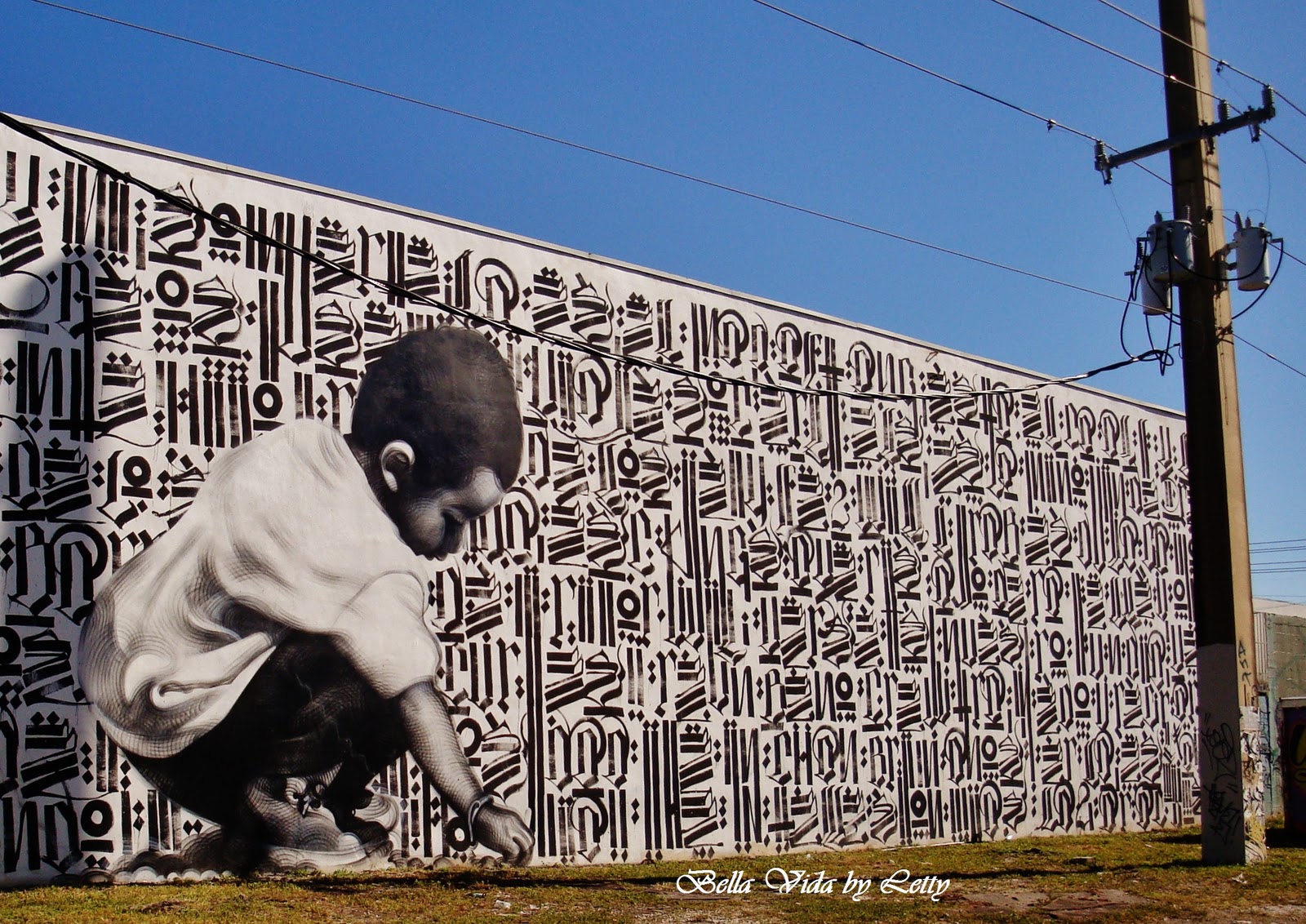
“The world today doesn’t make sense, so why should I paint pictures that do?” Pablo Picasso
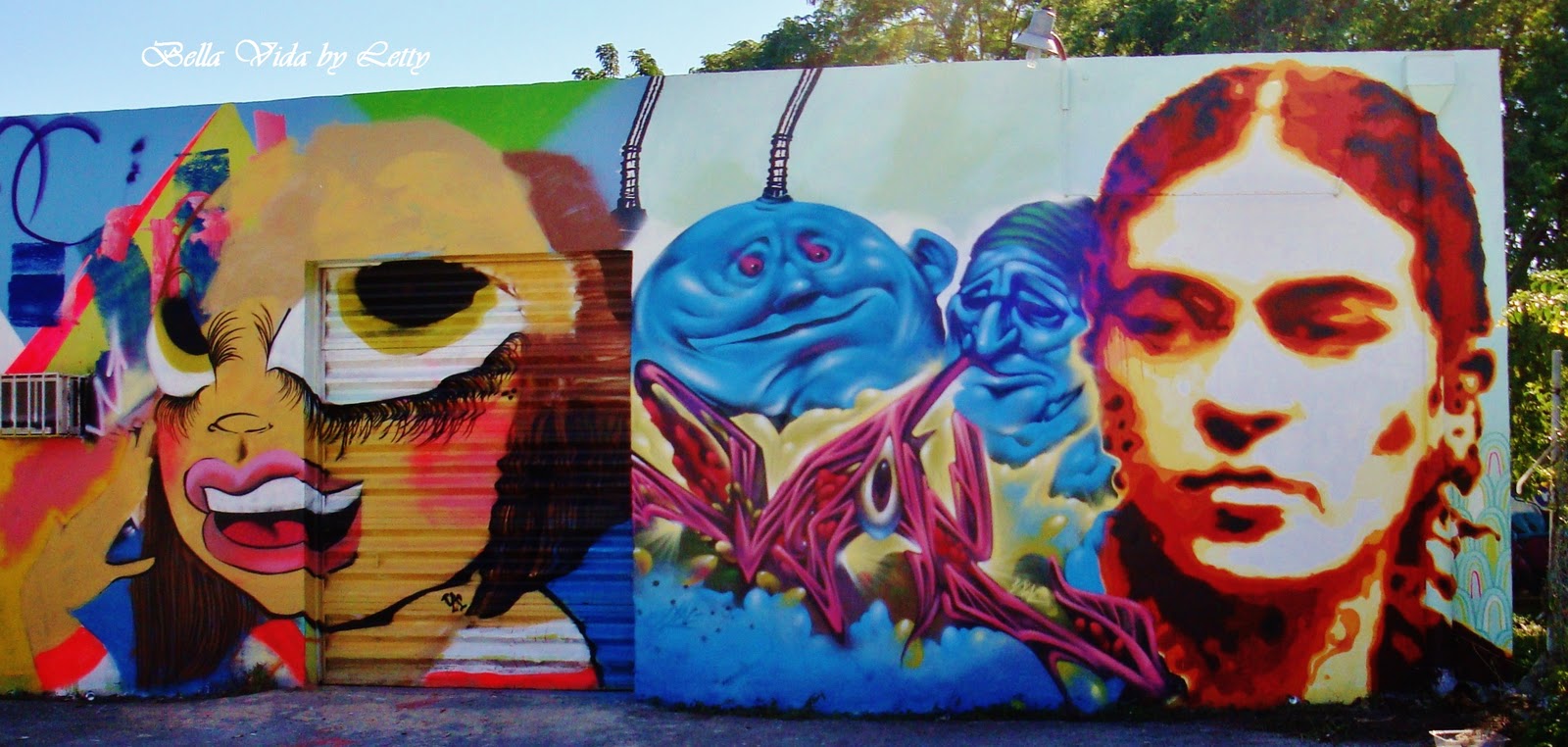
“I don’t paint things. I only paint the difference between things.” Henri Matisse
“A man paints with his brains and not with his hands.” Michelangelo
“The only time I feel alive is when I’m painting.” Vincent van Gogh
Sharing with:
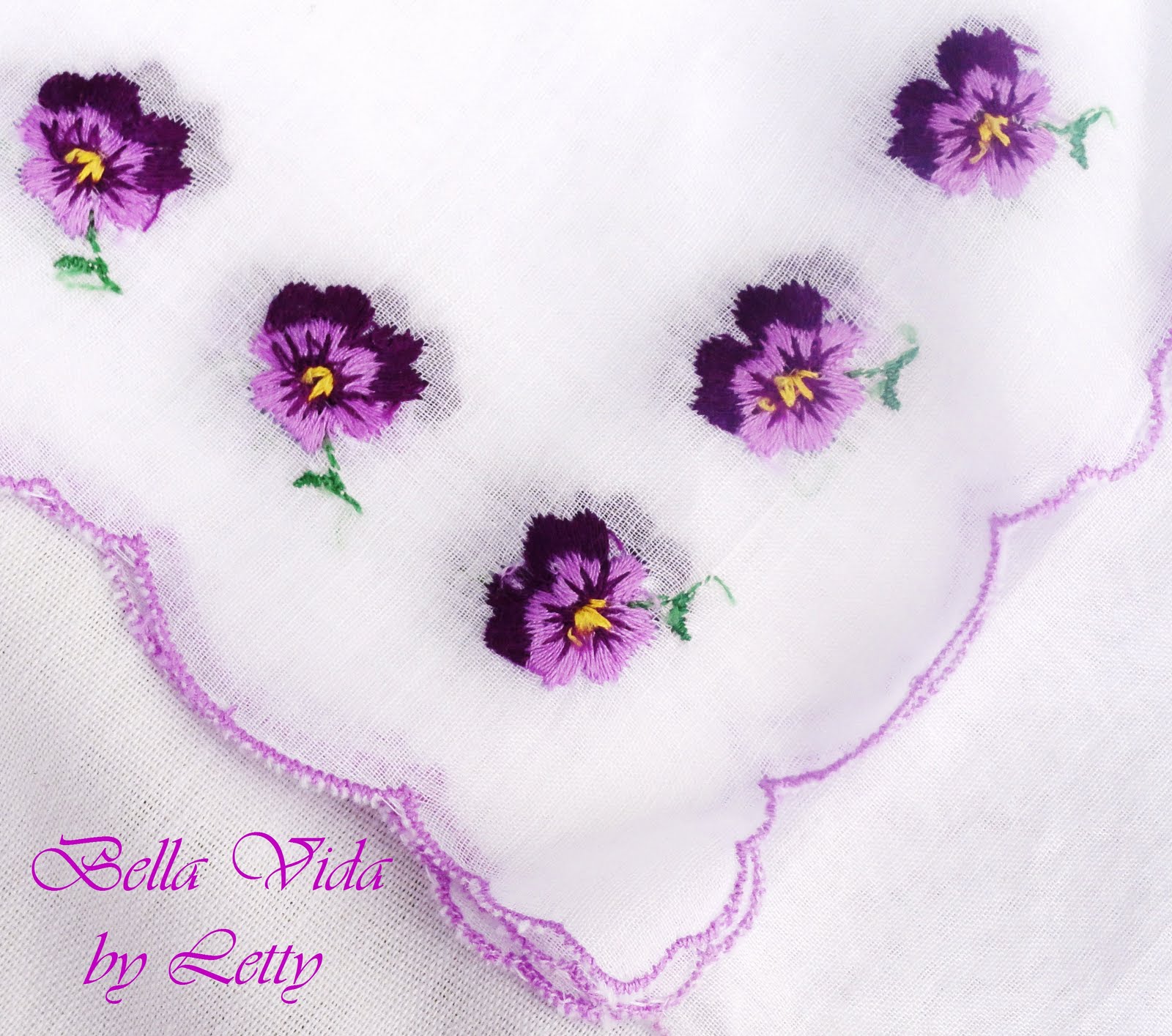
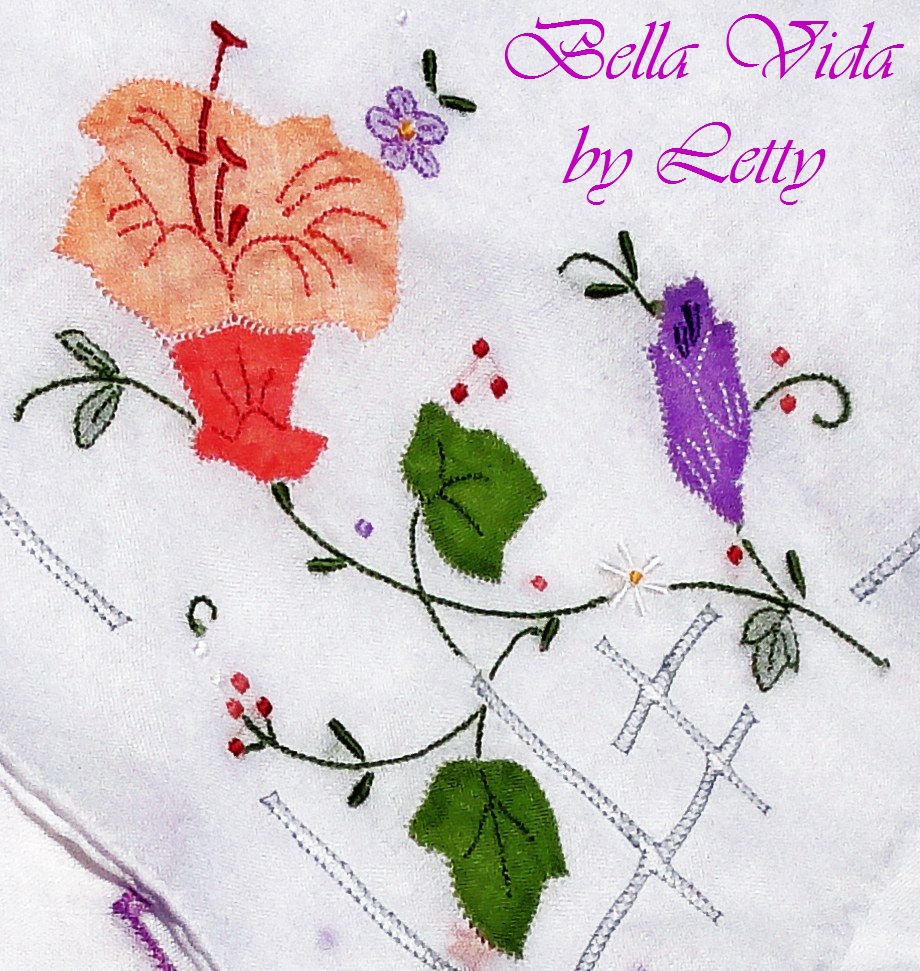
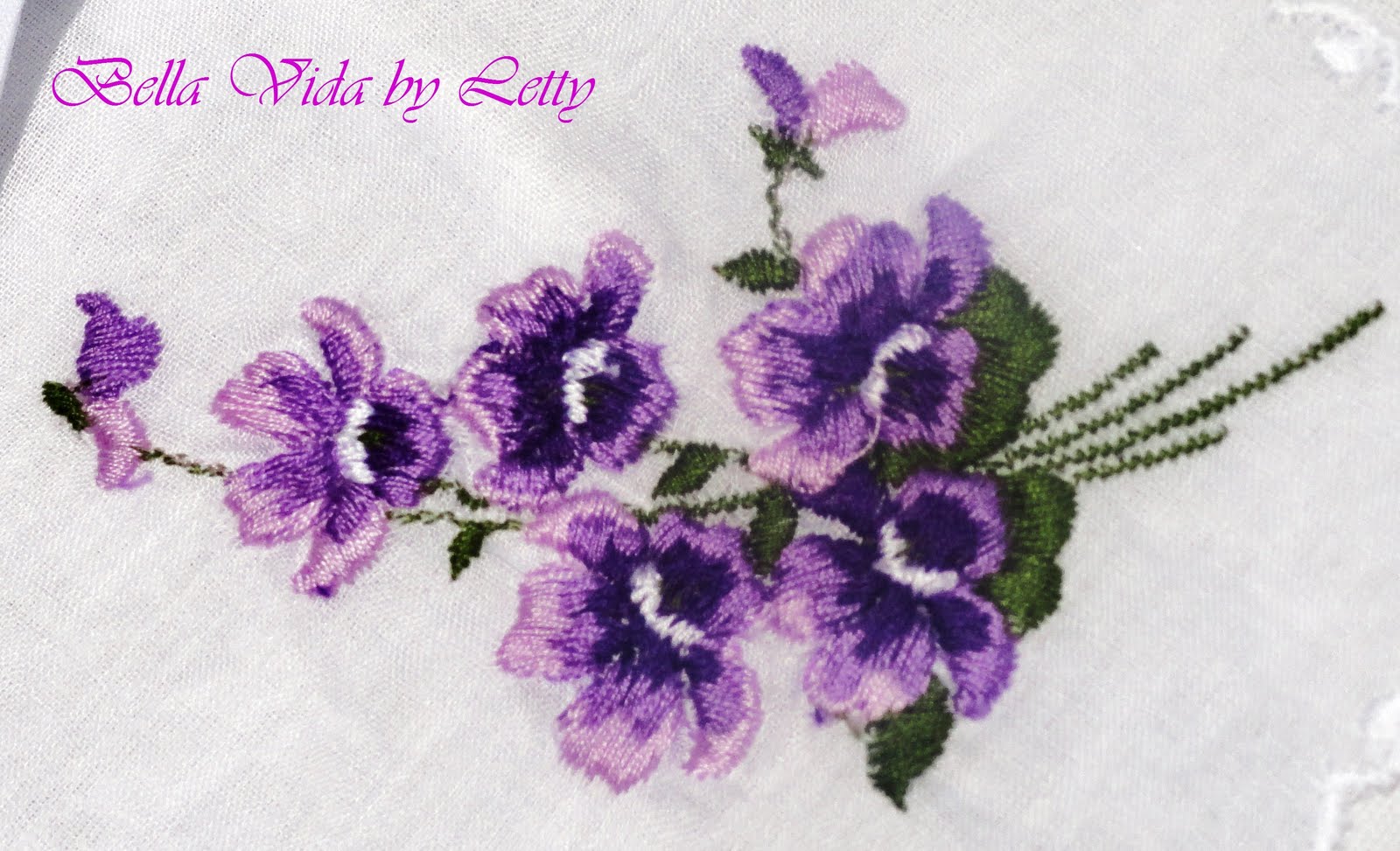
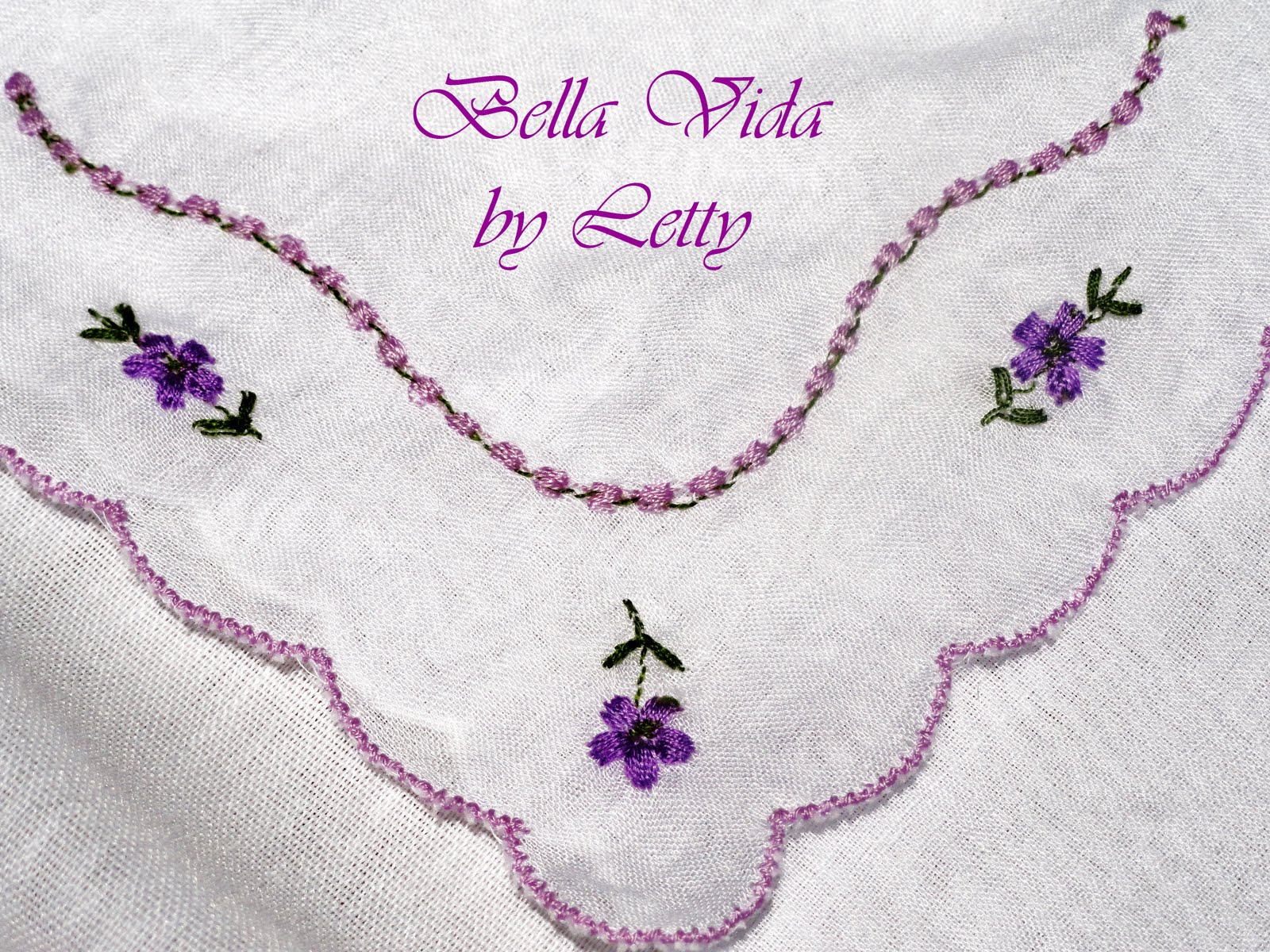
These photos feature a few hand embroidered handkerchiefs from my collection. My grandmother passed on her love and appreciation for the beauty and quality of hand made works to me like her grandmother before. She taught me to sew and embroider as a small child. I think we started when I was four or five. My Dad bought me a safe giant ugly green plastic needle kit which I hated because it wasn’t like grandmas. But when no one was looking Abuela let me use ‘real’ needle and thread. It makes me laugh to remember how she kept her colorful threads protected inside of an old cookie tin.
During World War I Puerto Rican embroidery became known worldwide for it’s quality. Production was performed by contracted women and children. Due to US influence Puerto Rico’s three largest exports during this era was tobacco, fruit and cotton goods. To prepare young girls for careers educational policy in the early 1900’s was modified to spend half the day on traditional subjects and the other half learning needlework.
Local contractors would distribute bundles of cut fabric ready to be sewn to women all across the island. The women would return the finished products with beautifully sewn and embroidered details done completely by hand.

 |
| Painted Poem 2004 |
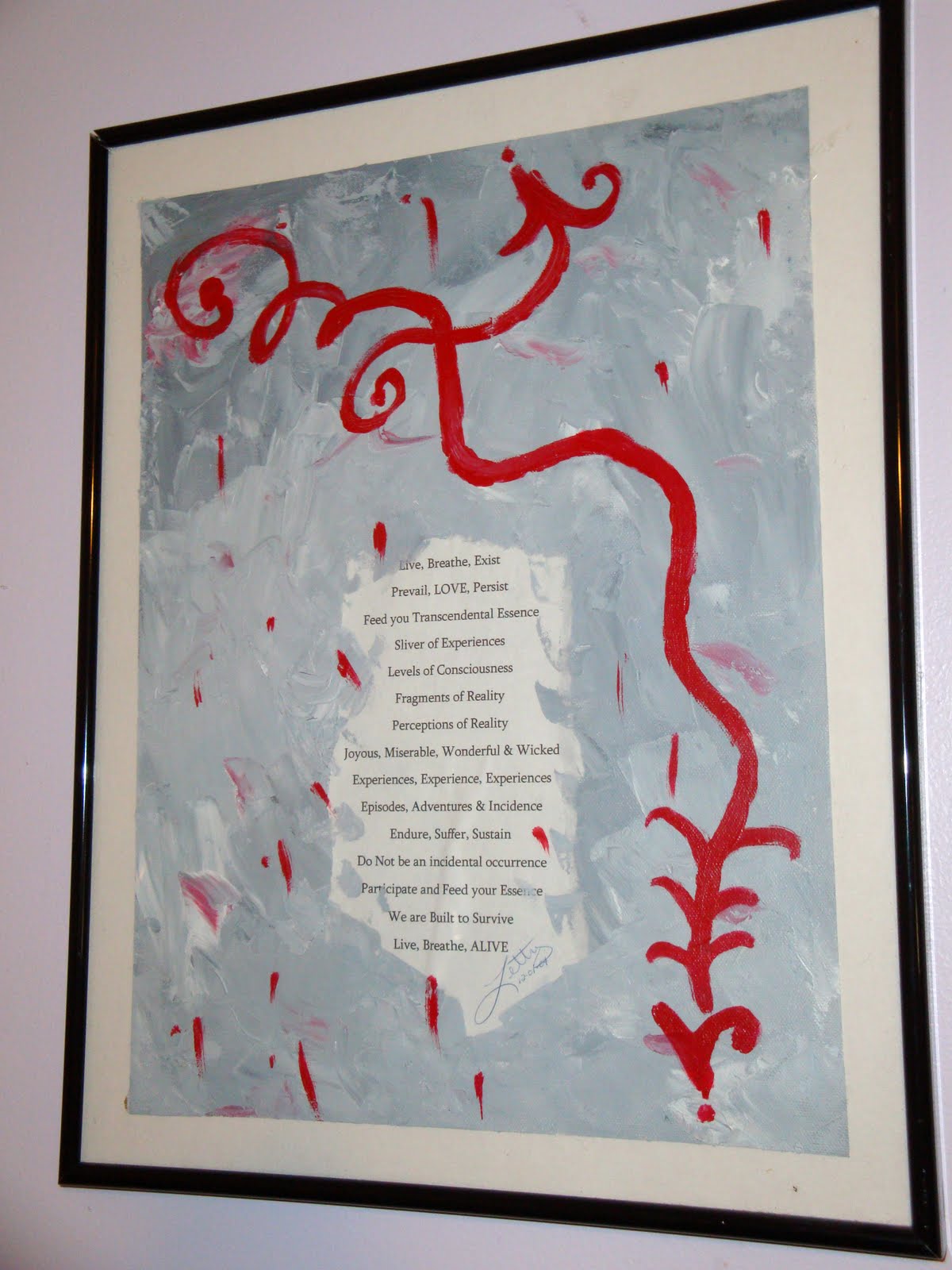
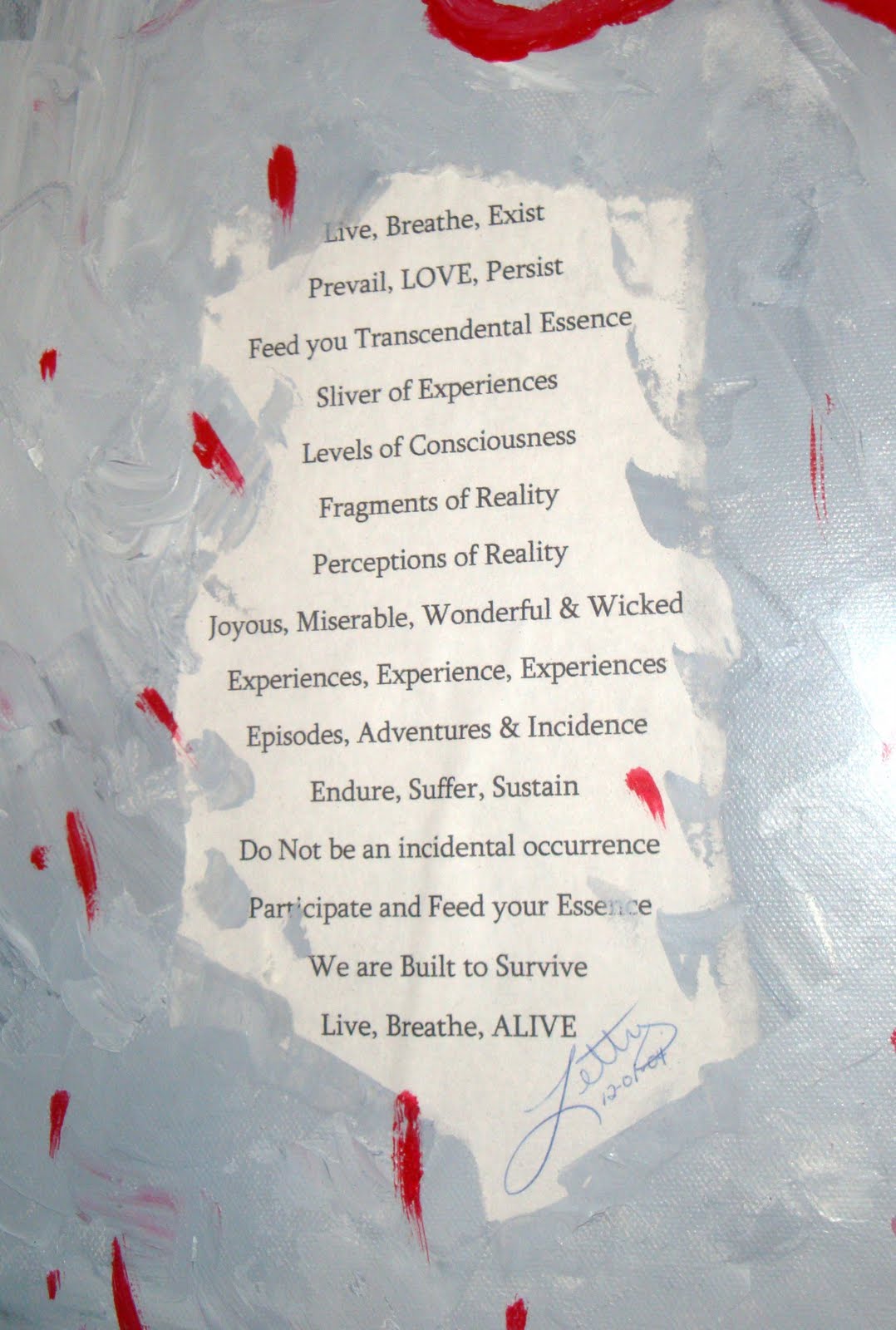
The first poem I ever wrote was in the second grade and it was about puppies. Since then I’ve written numerous poems. I have no idea how many but it’s probably in the three digits by now. Some have been lost, misplaced or tossed. I even had a journal stolen by a boy. (You know who you are, jErk) nah, That was a joke. lol I was 15 and I’m beyond over it. Life happens and I know eventually each piece will end up exactly where it needs to be.
Sometimes I make painted poems like these. Expressing an emotion using more than one medium.
This is a painted poem I created in 2004.
Click on the photo to read it.
 |
| Painted Poem 2004 |
distortion, misreckoning, delusion; error, mistake, misunderstanding, illusion, miscalculation, misconstrual, misinterpretation , mistake, non sequitur, notion, paradox, perversion
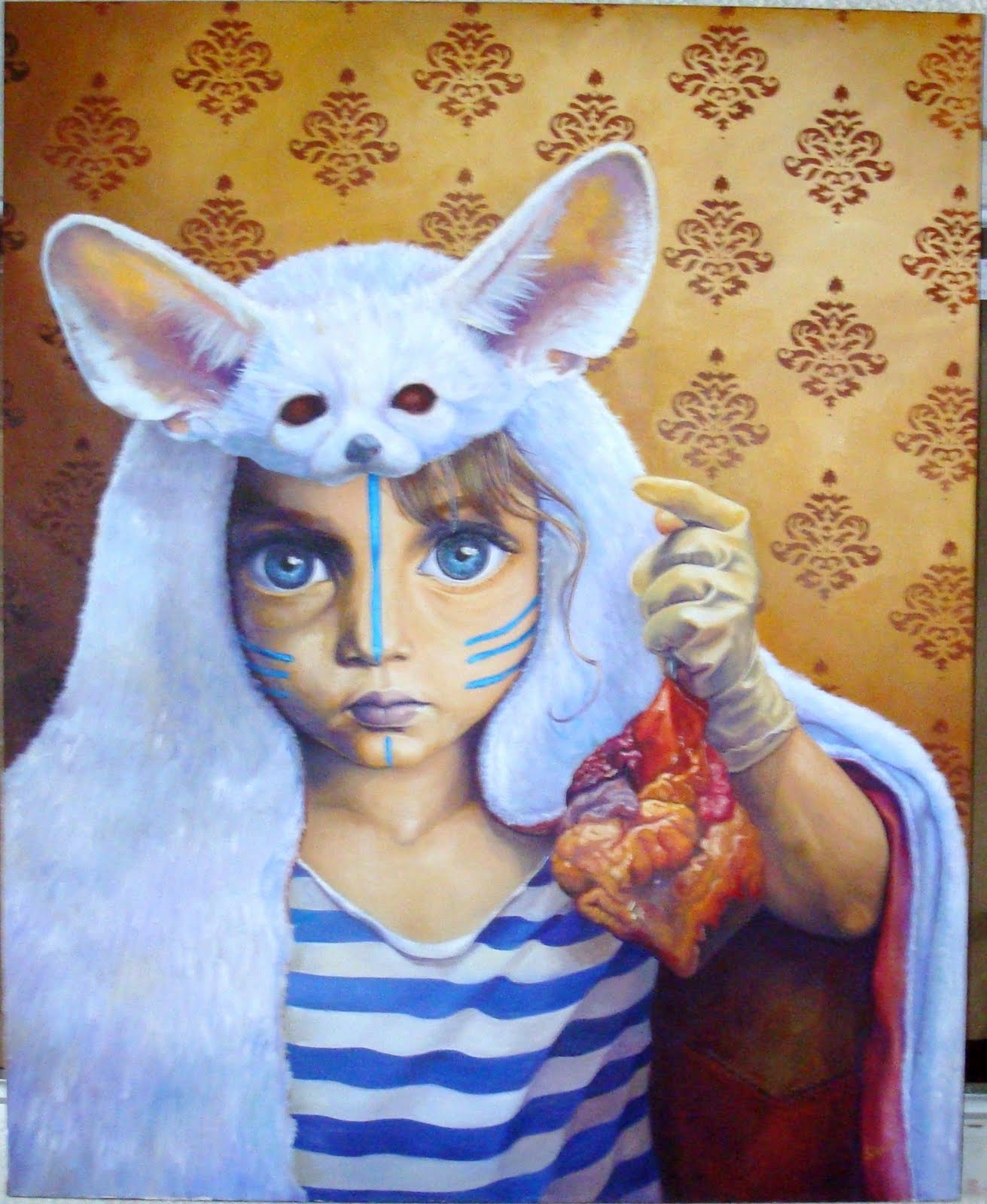
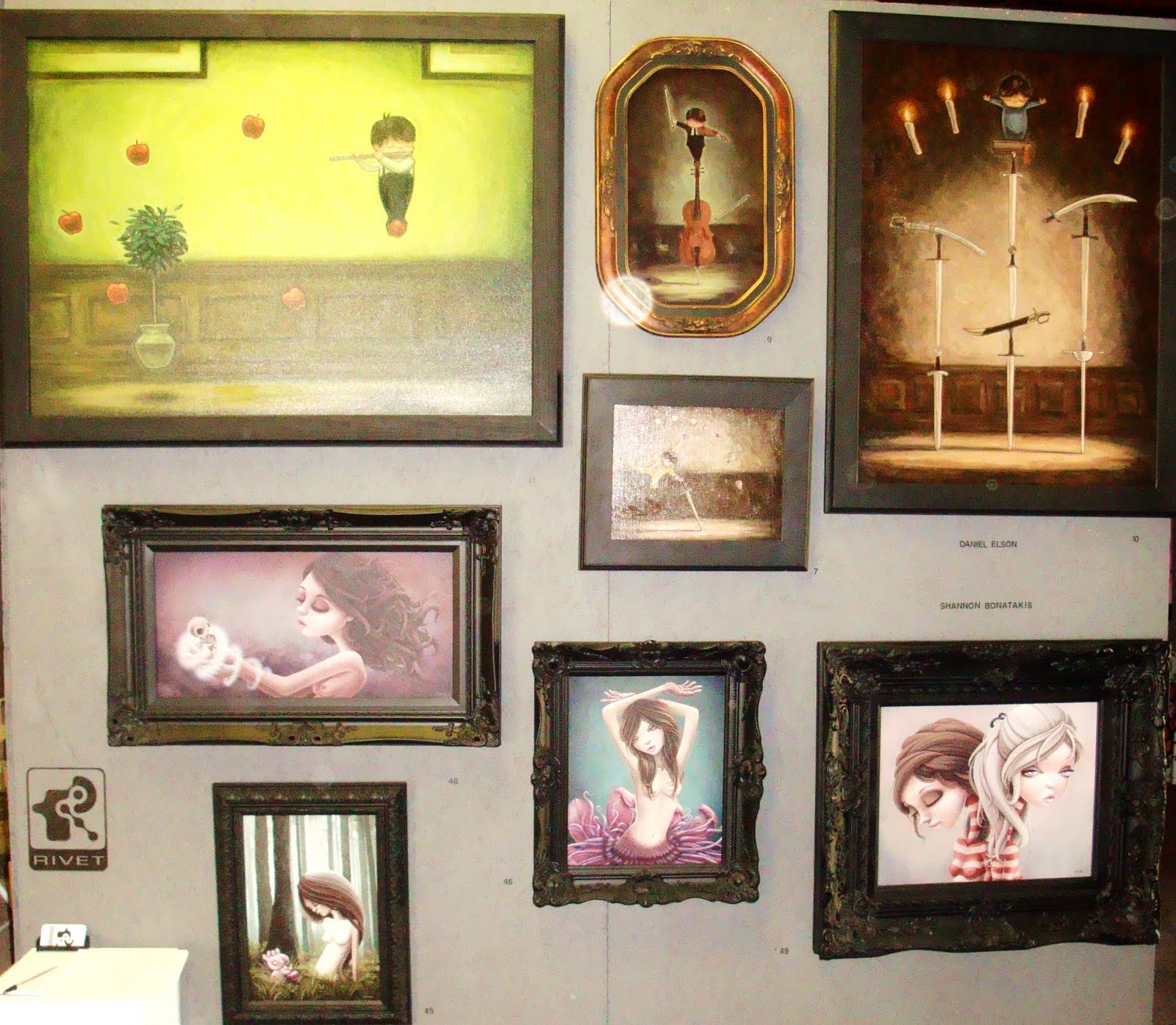
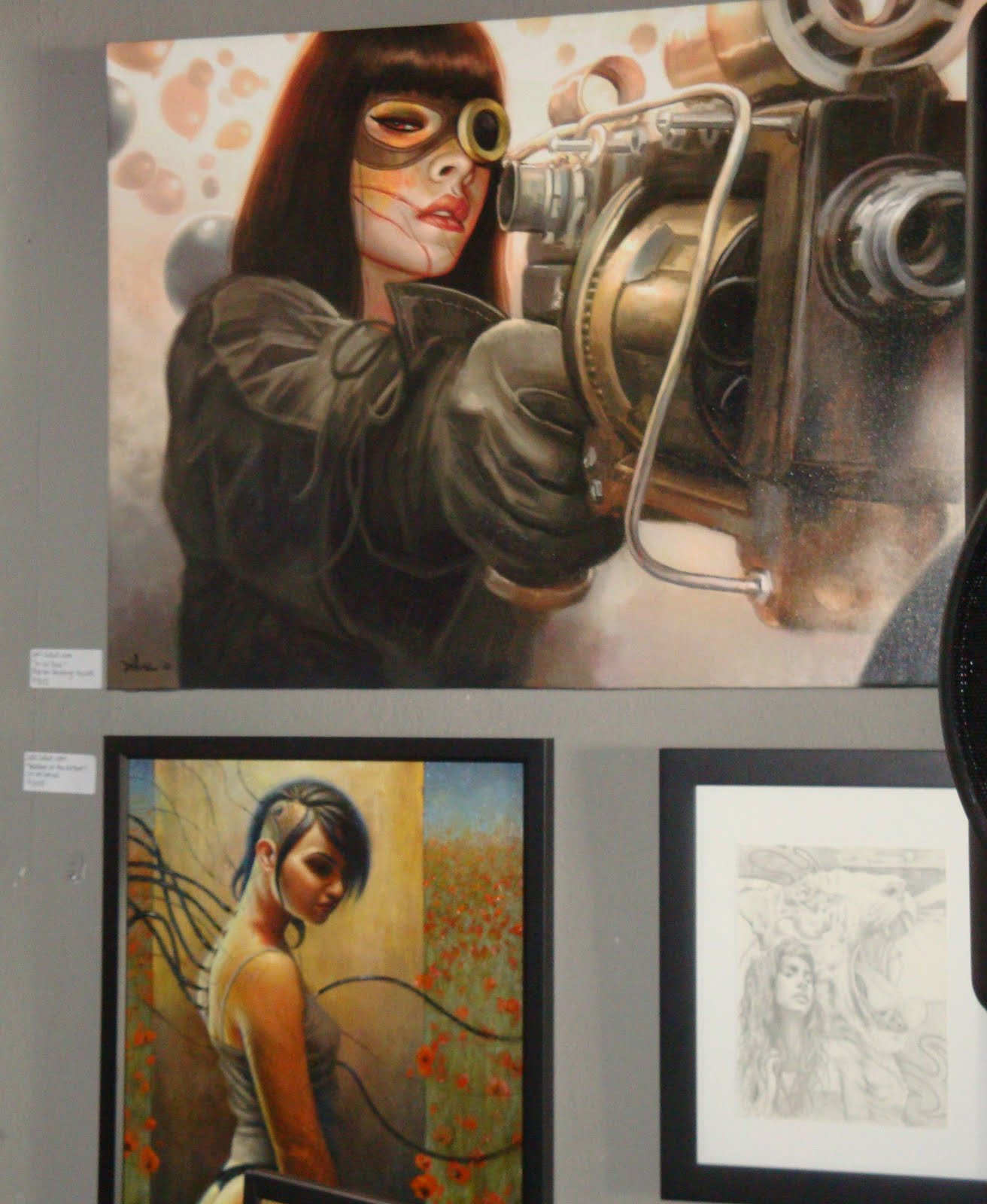
**** All of these photos were taken by me during the Wynwood Artwalk in Florida earlier this year. None of the artwork is my own. These are amazing pieces which fascinate me by other amazingly talented artists.****
 |
| wynwood artwalk 2011 |
I was thinking about how easy it is to misinterpret something said on the internet without the benefit of the author’s tone or expression. As a writer my ultimate goal is clarity. An author has to communicate by using only the written part of language: words. The best writers understand how important it is to chose the BEST word to convey an idea. Ray Bradbury, Neil Gaimon and Truman Capote blow me away with their expertise. They make it look easy. I wish I could master the ability to chose the right words. In the meantime it’s playtime with the thesaurus. 😛
When I’m painting I don’t feel this grand pressure to precisely communicate an idea. I know what I am painting. I know the feeling I am expressing with paints and I don’t have to think about it each step of the way. I never worry about how my art will be interpreted.
Interpreting art may seem tricky to some. I believe there is no wrong interpretation. Art should stir some feeling inside of you and that feeling will be particular to each individual.
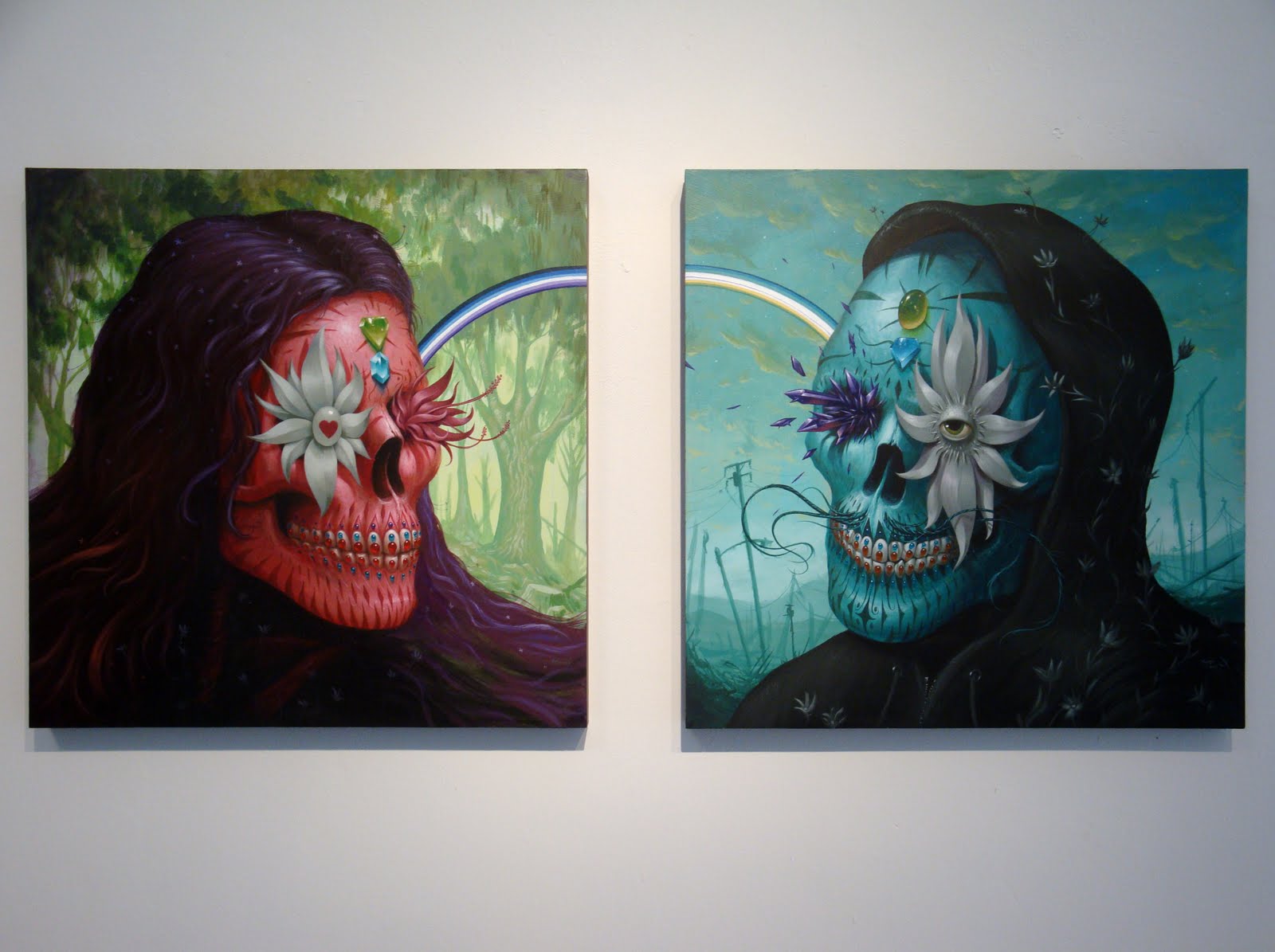
Look at the above photo of a gorgeous painting that caught my attention during the Wynwood artwalk earlier this year. There is no doubt the artist (sorry I didn’t find a name) is skillful, the colors beautiful and eye catching. It is the interpretation of the subject matter that will cause a debate. This is a good thing. It’s how art teaches us to form opinions. Some people will be appalled, some people will be amused and others like myself will appreciate that the artist did a great job of stirring emotions.
What do you think of the piece? What do you think the artist was trying to say via those big beautiful innocent eyes?
 |
| wynwood art walk 2011 |
 |
| wynwood art walk 2011 |
 |
| wynwood art walk 2011 |
BS, baloney, bend, bias, buckle, coloring, contortion, crock, crookedness, exaggeration, intorsion, jazz, jive, lie, line

I adore roses. Roses are the special symbol of the mothers in my life. My mother has a lovely rose garden and I carry the sweetest memories from youth in my grandmothers garden.
My grandmother always grew roses wherever she lived. Spread all throughout the property in what seemed a random arrangement of colors and shapes. You never knew what you would find since she was constantly adding new varieties. The ones I remember the most were these huge leafy green bushes both tall and wide sprinkled about with sweet pastel pink roses. I don’t know what they’re called and I’ve never seen them anywhere else but in her garden in Bayamon Puerto Rico. I would love to plant some in my backyard.
The above photo is a series of four watercolors inspired by my grandmothers roses. This was a few years ago and I think only one has survived.
 I'm based in the wonderful state of Florida and I write about travel, food, experiences and events. I share tips and tons of photos. If you have a question about visiting Florida let me know how I can help you.
This blog accepts ads, sponsorships, affiliate links, reviews and other forms of compensation. Assume everything is compensated . Honest opinions are for useful information and entertainment. Support BVBL Sponsors by Clicking on these Ads






 Copa America 2015 Chile Sweepstakes Enter Now
 5 Things I Wish I Knew Before I Started Blogging
 Cities of the Dead ~ New Orleans Cemeteries
 Travel: Doors of Savannah’s Historic District
 Exploring the French Quarter in New Orleans, Louisiana
 Beautiful Wanderlust Jewelry
 10 INSPIRING TRAVEL COFFEE TABLE BOOKS
 The Lincoln Memorial in Washington Dc
 Best Gift Ideas for Travelers a Gift Guide
 The Exorcist Steps in Georgetown Washington DC