Things to do in Boston

Boston is Massachusetts’ capital and largest city. It is one of the oldest cities in the US and it’s rich political history has greatly impacted the way the US government runs today. Whatever type of travel experience you are looking for there is something on this list of things to do in Boston for you. The city is vibrant with all kinds of activities whether you’re a sports fan, enjoy the outdoors, are seeking culture or are a huge history buff.
What to Do

Take a Freedom Trail Tour. The Freedom Trail is a 2.5-mile-long path through downtown Boston that passes by 16 locations significant to the history of the United States. Starting at the visitor’s center of the beautiful Boston Common the tour led by costumed guides. It’s a great way to learn about and see some of Boston’s most important sites.
Insider tip
Wear comfortable shoes. It’s a very long walk.

One of the more interesting stops on the Freedom Trail was the Granary Burying Ground. Founded in 1660 it is the city of Boston’s third-oldest cemetery. Located on Tremont Street, it is the final resting place for many notable Revolutionary War era patriots, including three signers of the Declaration of Independence; Samuel Adams, John Hancock, and Robert Treat Paine. Also, prominently displayed in the Burying Ground is an obelisk erected in 1827 to the parents and relatives of Benjamin Franklin who was born in Boston and is buried in Philadelphia.

Explore South Market and Quincy Square near Faneuil Hall. Quincy Market is a historic market complex near Faneuil Hall in downtown Boston, Massachusetts. It was constructed in 1824 and named in honor of Mayor Josiah Quincy, who organized its construction without any tax or debt. There are many places to eat and shops for purchasing souvenirs.
Insider tip
This is a touristy area always buzzing with people. Enjoy the street performers which appear at any time of day.

Take the subway over to the Skywalk Observatory. The Skywalk Observatory is located on the 50th floor of the Prudential Tower. It is the second tallest skyscraper in the City of Boston. Enjoy amazing views of the Boston’s famous landmarks like the Charles River, Fenway Park, Boston Harbor and much more.

Boston Duck Tours is a very fun way to explore the city of Boston. You a great overview of the city, see many unique neighborhoods and splash into the Charles River for a breathtaking view of the Boston and Cambridge skylines. It was a blast.

Visit the New England Aquarium and check out the four-story Caribbean coral reef teeming with more than 1,000 animals.

Ride the unusual Greenway carousel.
Where to Stay
There are plenty of places to stay in the city however, during my visit there were several conventions going on so most places were booked. I ended up staying at the Hilton Garden Inn in Waltham. Hilton is a reliable established brand with comfortable, clean rooms. It is located in a quiet area, which is just a short drive into Boston.
What to Eat
Boston is the place to eat great seafood. It is home to some of the world’s most amazing lobster rolls, clam chowder and fish especially cod dishes. Go try some.
Have you been to Boston?
What were some of your favorite things to do?

Last summer I took an amazing road trip through the state of Massachusetts and one of the towns I visited was the famous historical town of Plymouth where the Mayflower landed and the first pilgrims settled. Plymouth is a small coastal town and it’s super easy to get around. Everything is close by and lovely views of the waterfront can be enjoyed from just about everywhere.
When visiting Plymouth a great way to spend the day is a visit to Plimoth Plantation. Located on several acres near the waterfront it’s a living indoor-outdoor museum. It’s the recreation of a 17th century Wampanoag village and Pilgrim settlement. The place is huge and with self-guided tours you can walk as little or as much as you like. We spent an entire fun filled morning and could easily have spent the day.
The place is large with a visitor’s center, cinema, gift shop, craft center and tons of grounds to cover. If you like strolling among lush green vegetation you’ll love exploring the paths, which take you to an authentic Wampanoag village and Pilgrim settlement.

The attraction does a good job of demonstrating how life was for these two settlements and how important it was for their survival that they find a way to live and work together. The staff is dresses, live, speak and act as the citizens and Native Americans did during that period. Wonderful structures have been recreated to take you back in time. They encourage you to interact and ask tons of questions. I was very impressed with their knowledge and the stories they shared. It was very entertaining.
I started through the bright green paths leading to the Wampanoag village where there was lots going on. There were people tending to the crops, women cooking, children playing and men building. I stopped at a lovely display of indigenous toys from that era. There were huts you could enter to see how it was built and another large one where I sat and listened to what life was like. At every station you are free to ask any questions.

After the village a beautiful path winding up the hillside leads you to the Pilgrim settlement. That was my favorite path. You have beautiful views of the Eel River and even a nice view of the Pilgrim Sands on Long Beach where I stayed. As the paths turn you can even see the beach and the Atlantic Ocean.
The Pilgrim Village has many structures to explore. The staff dressed in period costumes attending the crops and animals as they did in the 17th century.

If you go Tips
– The earlier you go the better parking you will get.
– Wear comfortable walking shoes.
– Bring sunblock and water.
– Ask lots of questions. The more you interact the more fun you’ll have.
Have you been to Plymouth? What did you do during your visit?

If you’re on the road exploring central Florida, Yulee Sugar Mill Ruins Historic State Park is a great place to stop stretch and picnic. The historical site is located in Homosassa Citrus County. I was surprised to find the site is so small you can explore it in under 15 minutes. It was interesting to see something from so long ago survive the harsh Florida climate. The best part for me is just across the street. There is a very lovely place to picnic. You will find covered picnic tables and lots of shade provided by tall moss covered trees.
About the Site
It is preserved sites like this which reveal Florida’s true history and are worthy of contemplation. This small site was part of a 5,100 acre sugar plantation owned by US House Representative and first Jewish Senator David Levy Yulee. (Though after his marriage he became a Christian.) His plantation along the Homosassa River was built and maintained by slaves. These slaves built the mansion, the mill and in addition raised sugarcane, citrus and cotton.
The steam driven mill operated in the mid 1800’s and supplied sugar products to the southern troops during the Civil War. His mansion at the plantation became a stockpile for ammunition and supplies. Union Naval force burned the home to the ground in 1864. The mill escaped damage but never resumed operation. The only things remaining today is a 40 foot limestone masonry chimney, iron gears and a cane press. It is a remainder of the technology used in the 19th century.

About the Man
Born 1810 in St. Thomas he was sent to the US to study in private schools. He became an attorney and headed to the Spanish South becoming one of Florida’s first pioneers. While in office he fought for the causes of the southern states, including slavery, and he fought for Florida’s admittance to the Union. Due to his support of the Confederacy he was prisoner at Fort Pulaski in 1865.
While his ethics are questionable his greatest accomplishment was the establishment of the Florida railroad system. One of the reasons he believed the railroad was important was to create economic development that would lead to white immigration to the south to ease the racist fears of Africanization, having a majority black population. Using federal land grants an extensive system of railroads was created through wilderness including a line from the Atlantic to the Gulf of Mexico. This enabled delivery of mail and goods across the state. And though it seems like a conflict of interest to me he later went on to become President of three Florida Railroad Companies.
In 2000 the Florida Department of State looked beyond the atrocity of being a slave owner and designated him as a Great Floridian for his works in the railroad industry. Plaques in his honor were installed at the Fernandina Chamber of Commerce and the Yulee Sugar Mill Ruins.
Visit Yulee Sugar Mill Ruins and learn how Florida became what it is today. It is free to visit. A short self guided tour is made possible with the assistance of informational signs along a concrete path.

Have you visited these ruins?
~~~~~~~~~~~~~~~~~~~~~~~~~~~~~~~~~~~~~~~~~~~~~`
“Where there is ruin, there is hope for a treasure.” Rumi
“Ruin is a gift. Ruin is the road to transformation.” Elizabeth Gilbert
“Maybe it’s not in the perfection of life that things make sense, but in the chaos.” Rachel Van Dyken

There’s a beautiful neighborhood in New Orleans called the Garden District and during my visit where I stayed. It’s a wonderful place for taking a long walk especially if you enjoy taking photos. In this neighborhood you will find row after elegant row of Greek Revival and Vintage Victorian mansions with perfectly manicured gardens. Every single one is different. You really never know what will be around the corner.

The Garden District of New Orleans is considered to have the best preserved historic mansions in the US. The area is one of the earliest expressions of Greek Revival and the streets still named after the nine muses of Greek mythology. It was developed after 1830 by wealthy Americans who made their money in the shipping, cotton, sugar and slave trade industries. While they may have been short on ethics there was no shortage of money. St. Charles Avenue is where the wealthiest and most powerful residents of New Orleans lived. It’s incredible to see such lavishness from the past survive.
I’ve read both sides behind the reasoning they chose this location. One, because they were snubbed by French Quarter Creoles and or two they thought they were just too good to live alongside them in the French Quarter. The evidence is in the opulence of the Garden District where residents spent tons of money trying to outdo one another in having the most extravagant home.

My imagination ran wild inventing stories of the types of people who lived in these mansions back then and now. The Garden District has had many famous residents over the years: Sandra Bullock, Brad Pitt, John Goodman, Nicolas Cage, Helen Mirren and the Manning’s to name a few. I was looking for two characters in particular, Lestat de Lioncourt & Louis de Pointe du Lac. And I found them. Do you know them?
I love spooky stories, especially ones with vampires. You know I had to stop at Anne Rice’s old home. It stood elegantly on a corner surrounded by tall oak trees and shmancy mansions.

You may think some of these photos look a little tilted but the reality is this place is so old the sidewalks have huge cracks in them making them uneven. The same can be said about the streets. The culprit is usually the root system of an extravagantly large oak tree. Be sure to watch your step. The best time to visit is early morning on a sunny day when you can enjoy all of the little details that make this neighborhood great. Take your time walking. There’s plenty of shade and don’t forget your camera.
Have you been to the Garden District of New Orleans?
 La Respuesta is an online magazine dedicated to the Boricua diaspora who aspires to be a significant resource for Puerto Ricans in the United States, offering a multitude of creative and provocative media. Guided by a collective of Boricua writers, artists, activists, and scholars in Chicago, with supporters, collaborators, and visionaries in New York City, Boston, Florida, and Rhode Island La Respuesta strives to produce a mosaic of the cultural, artistic, intellectual, spiritual, and political realities within the diverse Puerto Rican Diaspora. It moves towards building inclusive identities and perspectives that recognize the Diaspora as central to understanding the Puerto Rican people..
There purpose reads:
“For over a century, Puerto Ricans have lived and settled in the U.S. (the “Boricua Diaspora”), but now, for the first time, there are more acá than allá. In response to our growing presence and ongoing impact, La Respuesta seeks to invoke a claim to our histories and announce our stories. This will be done by highlighting our assets and distinct experiences, agitating discussion on the crucial issues, and addressing the obstacles that we face.”

I feel so honored to be a part of this project. My article about the Puerto Rican Day Parade in Chicago appears on the site. I would love for you to check them out and leave your comments. Be sure to look around as I’m sure you will find lots of good reading.
As many of you know preserving the history of Puerto Rico is near and dear to my heart. I’ve created a tumblr blog and I’ve written countless articles on the subject of Puerto Rico. I feel a responsibility to share this information freely because knowing your history grounds you with roots allowing you to stand taller and stronger. Today you can be a part of making a historical event come to fruition. Here is a simple opportunity for you to get involved.

“A nation-wide, all-volunteer group of individuals and organizations has formed the Borinqueneers Congressional Gold Medal Alliance, and is launching an intense campaign to secure the Congressional Gold Medal for the US Army’s 65th Infantry Regiment, better-known as the “Borinqueneers”. The Borinqueneers are the largest and longest-standing, segregated military unit in US history, having fought in WWI, WWII, and the Korean War.
The Congressional Gold Medal has been bestowed to other minority veterans who served in segregated units, including:
• July 26, 2001 – the Native American Navajo Code Talkers
• March 29, 2007 –the African-American Tuskegee Airmen
• November 2, 2011 – the Japanese-American Nisei Soldiers
• June 28, 2012 – the African-American Montford Point Marines
The alliance currently is asking all liked-minded Americans to write to or email their US congressional representatives, including their two US Senators and one US House of Representatives member to support this initiative. The Congressional Gold Medal requires the support of a majority of our US legislators. This should be completed before the end of February, the organization noted.”
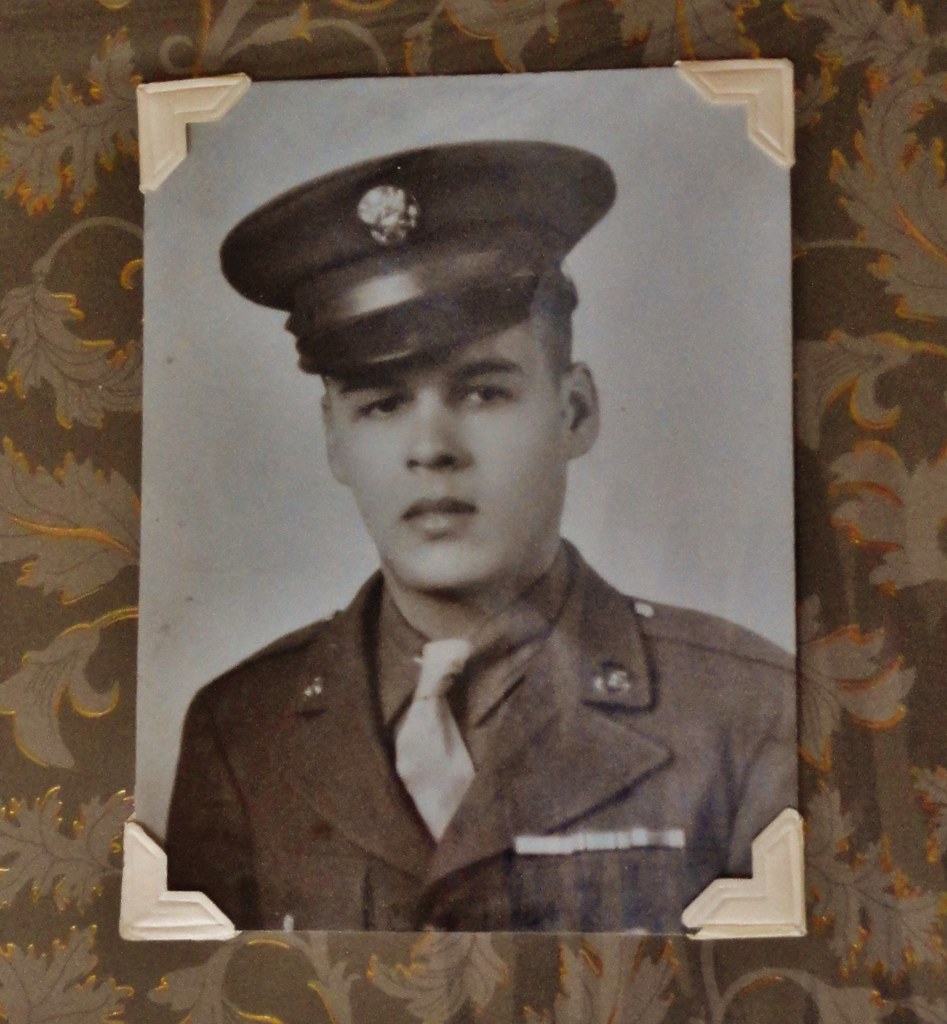
Now is the perfect time to present this long overdue honor recognizing these heroes. Like many of you, I have a personal connection to this great cause. My Abuelo fought bravely during World War II for the United States of America as member of the 65th Infantry Army Regiment. I am extremely proud of his and all of our veterans selfless service to protecting the citizens of this country. They deserve this honor so let’s make it happen.
What you can do to help
Contact your (2) U.S. Senators and your (1) US House of Representatives member. The adoption of the Borinqueneers Congressional Gold Medal will require the vote/support from a majority of our US legislators. Contact them via letter or email before the end of February.
Resources
A sample letter/email is available at:
Find your Senators here:
Find your US House of Representatives here:
More information on this important initiative is available at the Borinqueneers Congressional Gold Medal Alliance website: and their official :

Veterans day was originally established on November 11 to observe the 11th hour of the 11th day of the 11th month, which marked the armistice of World War I. Since then it has become a day to honor and remember the sacrifice of all of our Veterans.
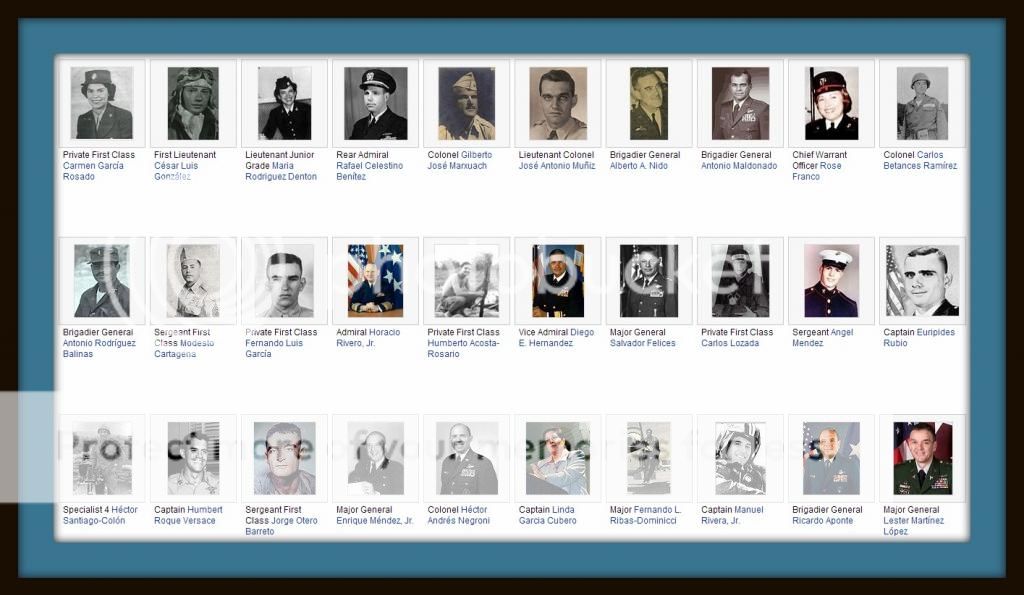
Today I would love for you to join me in thanking every single Puerto Rican veteran for their sacrifice and service. Due to lack of positive media coverage most people are unaware that Puerto Rico has been a US territory since 1898 and as such has fought bravely in every war, battle and conflict the United States has ever encountered.
It’s crucial for all of our children to teach a more accurate account of history. It’s time to put an end to separation and segregation and stop endorsing the false ideas that Europeans were the only founders of this country. Latinos/Hispanics have been here since before the United States was united. I’ve said it before and will say it again: Diversity is this country’s strength. Puerto Rican contributions have built and made this nation powerful.
I wrote about my connection to Puerto Rico’s 65th Infantry which you can read about here.
Remembering Puerto Rico’s 65th Infantry This Memorial Day
If you have a link please share it with me in the comments section below. Here are a few of the links and resources I have found.
Websites:
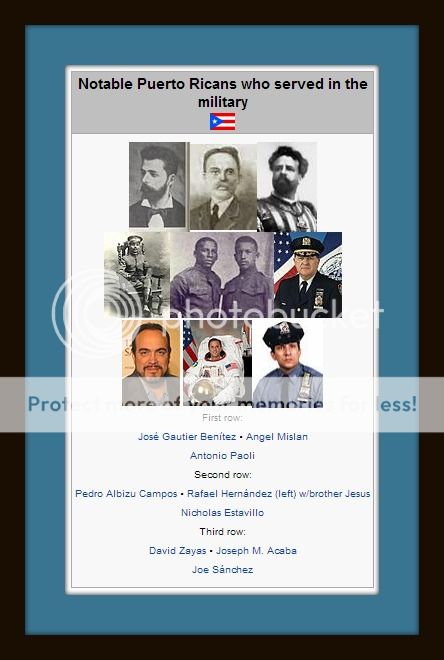
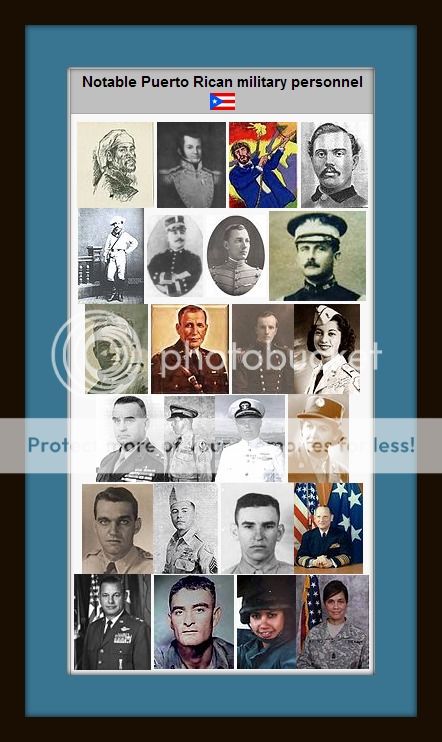
List of Puerto Rican Military Personnel
Puerto Rican Servicewomen in Defense of the Nation
Puerto Rico’s 65th Infantry Regiment
Resource for finding Hispanic military contributions.
Ancestry.com All U.S., World War II Draft Registration Cards, 1942 Results
Puerto Rican Veterans Monument Square Association: Proudly recognizing all Puerto Rican Veterans that have served in the Armed Forces
Places
Puerto Rico National Cemetery
Puerto Rico National serves over 150,000 veterans in Puerto Rico, US Virgin Islands, the Caribbean Region, and Central and South America.
~~~~~~~~~~~~~~~~~~~~~~~~~~~~~~~~~~~~~~~~~~~~~~~~~~~~~~~~~~~~~~~~~
“I am a Veteran, as are most of my personal friends. A Veteran is someone, who at one point in their life, wrote a blank check payable to the United States of America for an amount up to, and including, their life. Regardless of personal or political views, there are way too many people in this country who no longer remember that fact…” José N. Harris
“Most Americans are aware of the brutality and injustice used to maintain the excesses of their selfish consumer society and empire. Yet I suspect…they do not care. They don’t want to see what is done in their name. They do not want to look at the rows of flag-draped coffins, the horribly maimed bodies and faces of veterans, or the human suffering in the blighted and deserted former manufacturing centers. It is too upsetting. Government and corporate censorship is therefore welcomed and appreciated.” Curtis White
“The willingness with which our young people are likely to serve in any war, no matter how justified, shall be directly proportional to how they perceive veterans of early wars were treated and appreciated by our nation.” George Washington
“The true soldier fights not because he hates what is in front of him, but because he loves what is behind him.” G.K. Chesterton
“Honor to the soldier and sailor everywhere, who bravely bears his country’s cause. Honor, also, to the citizen who cares for his brother in the field and serves, as he best can, the same cause.” Abraham Lincoln
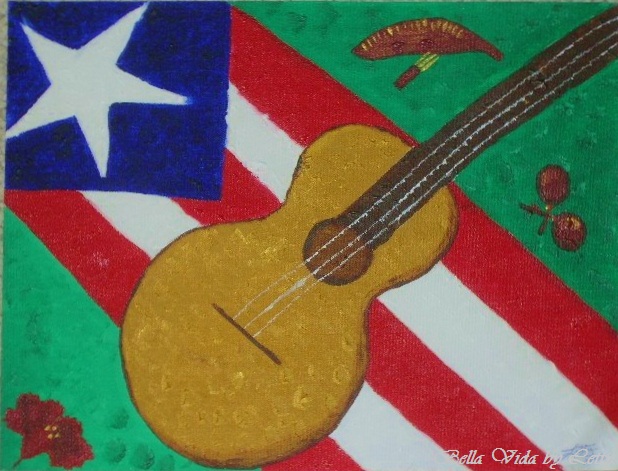
If history were taught correctly without prejudice or bias we wouldn’t need a Hispanic Heritage month.
Our history has not been properly told or documented. We are left on our own to dig and discover. Since I’m the type of person who enjoys constantly learning, I’m always finding the most fascinating things.
I also know the importance of sharing information which is why I created this tumblr blog. Not only do I share my artwork and photography there but it has become a rich resource for Latino culture and history.
These are bite sized bits of information I’m pulling together and posting in one spot. They are pointers to even more resources for you to explore.
You will find loads of information relating to Puerto Rican culture and so much more: I link to vintage photographs, museums, videos and websites where you can read free texts and peruse historical documents.
Examples of art related posts:
Mi Puerto Rico – Master Painters of the Island
Exhibit organized by the Museo de Arte de Ponce, is the first major exhibition in the continental United States devoted to Puerto Rico’s three greatest masters:
Jose Campeche (1751-1809),
Francisco Oller (1833-1917),
and Meguel Pou (1880-1968). #Video
One of my passions is vintage photography. I’ve found plenty interesting and probably never before seen images to give you an idea of how much our ancestors have left us.
 |
San Juan Railroad Terminal, Calle Commercio & Calle Harding Puerto Rico |
Examples of research related posts:
Marta Caminero-Santangelo, associate professor of English at the University of Kansas, explores how literature can shape who people are, and who they understand themselves to be as a group — specifically, in this case, as an ethnic group: Latinos. Here, she discusses her research as well as KUs new Latino/a studies minor, the power of a good story and the value of service learning.
Present day Taínos argue that they were not entirely killed off and that many of them escaped into the mountains and others intermarried with their conquerors and survived.
Examples of Music History:
The Puerto Rican Decima
An ancient poetic genre created in Spain that has been used in Puerto Rico – and Latin America – since the 17th century. Its themes were usually derived from books that poets read – or had read to them – like the Bible, Don Quixote, etc.
A found musical recording from 1939.
Examples of Political History:

Images of a strike against the sugar industry.
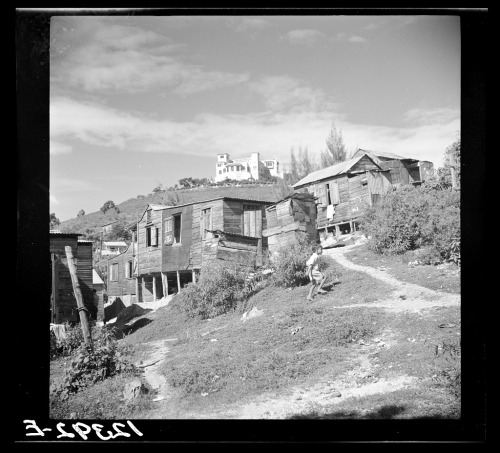
Vintage photograph of sugar plantation owners mansion sitting high above worker shacks.
Albizu Campos speech with captions in Spanish and English.
I hope you are encouraged to learn more about your cultural heritage and share it with others.
You can visit my tumbler blog HERE.

Yesterday, I was browsing through photos from last weekend’s outing when I was struck by the image of a woman I didn’t recognize. The photo captured the profile of a Taína with long black hair, high red cheekbones and a straight nose. It reminded me of Taíno cacique Hatuey, an image I actually was familiar with.
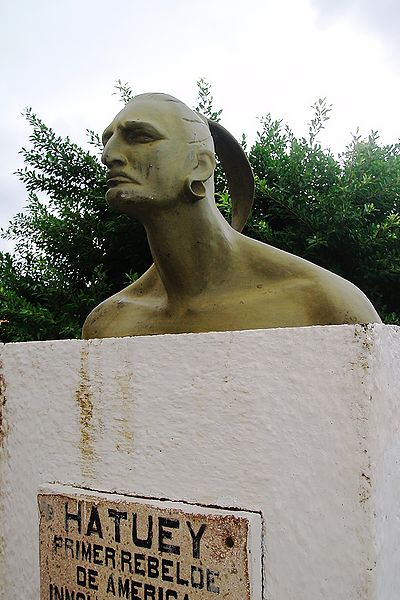
According to Bartolomé de Las Casas, Hatuey gave the following warning to Cuba:
“Here is the God the Spaniards worship. For these they fight and kill; for these they persecute us and that is why we have to throw them into the sea… They tell us, these tyrants, that they adore a God of peace and equality, and yet they usurp our land and make us their slaves. They speak to us of an immortal soul and of their eternal rewards and punishments, and yet they rob our belongings, seduce our women, violate our daughters. Incapable of matching us in valor, these cowards cover themselves with iron that our weapons cannot break…”
Eventually the Spaniards succeeded in capturing him and on February 2, 1512, Hatuey was tied to a stake and burned alive. Before he was burned, a priest asked him if he would accept Jesus and go to heaven. La Casas recalled the reaction of the chief:
“[Hatuey], thinking a little, asked the religious man if Spaniards went to heaven. The religious man answered yes… The chief then said without further thought that he did not want to go there but to hell so as not to be where they were and where he would not see such cruel people. “
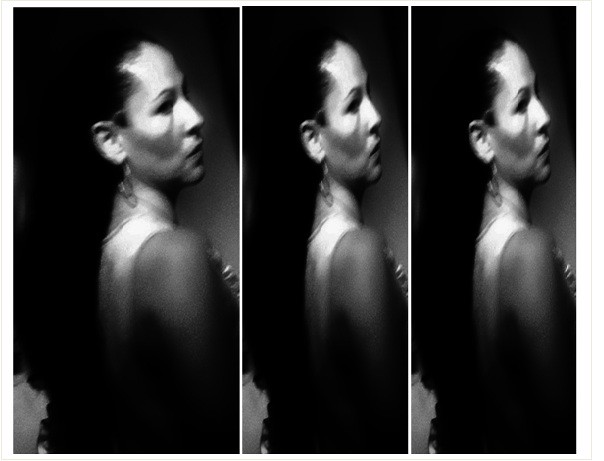
This however was not an image I was familiar with. Who is this woman? I certainly don’t spend much time in the mirror and much less checking out my profile. I was bewildered because I’d never seen this woman before. If I had any Taíno ancestors I do not know of them. I’ve never heard their names or their stories but here they are reflected in my cheekbones and straight nose. I’ve been unknowingly carrying them with me my entire life. Could I be a long lost daughter of Hatuey?
My curious nature insists on learning more and my rebellious spirit is angered at the thought I’ve been denied my true history. But that is the life of Puertoricans. We are told bits and pieces of our history for example how we are mesh of many cultures but our blindness to colonization reveals itself in these moments when we fail to be able to name our ancestors. In the process of absorption and assimilation we have lost our identity. Many of our Puertorican ancestors left no trace because they were poor and kept illiterate. The Taínos had an even worse fate, they had to run away to the highest mountains and hide to escape slavery and death. Only recently is there a movement to reveal their true history.
My family tree has many hidden branches with a few exceptions. I’ve been told of my paternal Italian great great grandfather, I recently found a Portuguese paternal great great great great great grandmother but little is known of my maternal great great great grandmother other than she looked Native Indian and was married to a European.
~~~~~~~~~~~~~~~~~~~~~~~~~~~~~~~~~
The Taínos were pre-Columbian inhabitants of the Bahamas, Greater Antilles, and the northern Lesser Antilles. The seafaring Taínos are relatives of the Arawak people of South America whose language is member of the Arawakan language family, which ranges from South America across the Caribbean.
Links to explore
Tribal Government of the Jatibonicu Taino People of Puerto Rico
Interview with Professor Juan Manuel Delgado, a historian, discusses the fallacy of the Taino extinction. This is part 1 of 2 of a one hour interview.
Entrevista con Profesor Juan Manuel Delgado, historiador, analiza la falacia de la extinción Taína. Parte 1 de 2 entrevista de una hora.
Juan Carlos Martínez Cruzado is Professor of Genetics at the University of Puerto Rico, Mayagüez Campus and has made important research contributions in Genetics to the study of Population History and Anthropology in Puerto Rico. Amerindian contribution to the Puerto Rican gene pool.
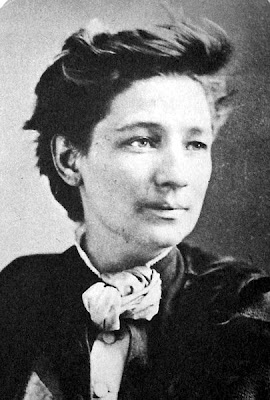 |
|
Victoria Claflin Woodhull the first woman candidate for
President of the United States in 1872
from the Equal Rights Party supporting women’s suffrage.
|
In honor of Women’s History month every post in March will be related to women’s issues. The photos in today’s post are of women who have run for President of the United States of America. I encourage you to read about them. They will inspire you for sure.
Have you ever thought of running for your local government? You should.
Every March in the US we celebrate Women’s History month. I feel it is very important to speak about these issues because most young women today take their opportunity to learn and work for granted during a time when we are not yet equal. You can not celebrate a victory before the battle is over. Our individual right to govern over own bodies and health is being debated by a political system run by a majority of old white males who are old fashioned and completely out of touch with women’s needs today.
Statistics to think about
According to the United States 2010 Census the number of females was 157 million while the number of males was 151.8 million.
According to the Voting and Registration in the Election of November 2010 46.2% of female citizens 18 and older reported voting in the 2010 congressional election, 45% of their male counterparts cast a ballot and 66.6% of female citizens reported being registered to vote.
The 2010 US Census also shows the median annual earnings of women 15 or older who worked year-round full time was $36,931, unchanged from 2009.
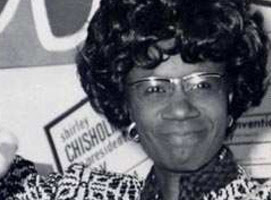 |
| Shirley Chisholm in1972 she became the first major-party black candidate for President of the United States for the Democratic party. |
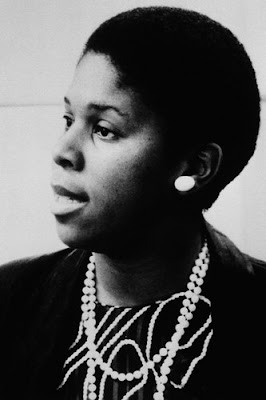 |
|
Lenora Branch Fulani the first African American to achieve ballot access in all fifty states receiving more votes for President in a U.S. general election than any other woman in history.
|
Gender stereotypes still play a huge role in the lack of progress woman have made thus far. Both male and female voters are much more judgmental about the appearance and style of a female candidate than of a male candidate. Although all candidates are judged on these attributes to some degree, women have a more difficult challenge in convincing voters to judge them on their merits rather than on their appearance. If a woman candidate is unmarried, both male and female voters perceive her as less likely to share their own family values. This needs to change and only you can make it happen.
Resources: Here is a wonderful list of resources where you can find more information, ideas, lesson plans, etc regarding Women’s History month.
Read my post about Women’s Equality Day
Read about the National Women’s History Project 2012 honorees.
Read the Women’s History Gazette
Check out the US government Women’s History Month site
A Time Line of Women in Government
Read Women and the Economy 2010: 25 Years of Progress But Challenges Remain (August 2010 14 pages) prepared by the U.S. Congress Joint Economic Committee
Federal Laws and Regulations of Interest to Working Women
Last Friday on my weekly visit to my parents house the subject of old photos came up. Enthusiastically, I began digging around closets in search of old boxes and bins. I hit the jackpot when I found these super cool photos of Chicago in the 60’s. At first I thought my Pops had snapped these photos because he’s such a gadget junkie but it turns out its my Mom who is the historical documentarian.
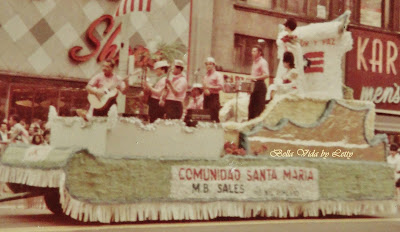
In 1968, about a year after my Mom moved to Chicago from Puerto Rico her cousins took her to see the Puerto Rican Day Parade in downtown Chicago. It was an annual event the entire community looked forward to. First a fabulous parade then more festivities at its conclusion in Humboldt Park with performances and music.
They are far from professional shots but they are a treasure because they do capture the enthusiasm and tangible excitement of the people present at this Puerto Rican cultural event. Using her Kodak camera my Mom has captured 1960’s fashion trends, hairstyles and dress.
They also capture the wonderful multi-story brick architecture of the windy city as well as the businesses that occupied them; Lerner Shops, Karolls Men’s Wear & Woolworths. Stores used eye-catching advertising of all sorts including filling windows with slogans in colorful neon lights.
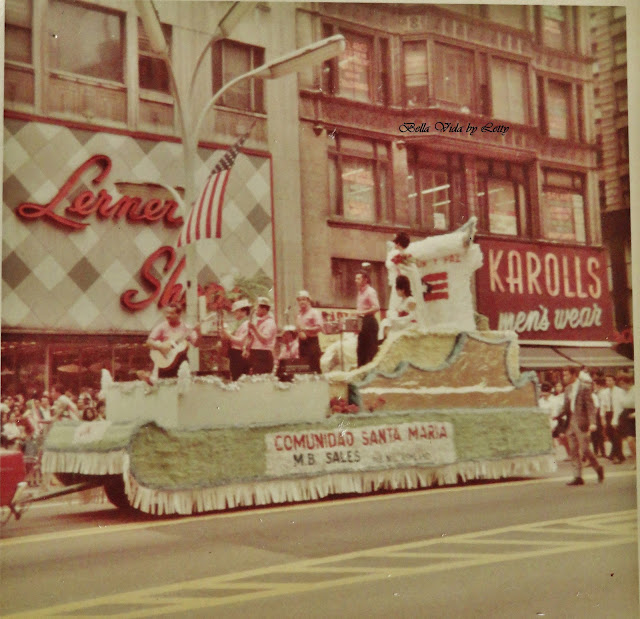
This is my favorite photo of the bunch for many reasons. First, because we have the American flag swaying in the breeze like a hand inviting this elegant procession forward. The American flag is then greeted by this float sponsored by Comunidad Santa Maria, with the Puerto Rican Flag proudly exhibited under the words Amor y Paz (Love & Peace). Second is the fact there is a band playing live music. I can imagine the Caribbean musical notes echoing loudly against the tall buildings carried away by the wind bringing swaying hips and smiles to caressed ears. Lastly, it gives us a clear example of how Puerto Ricans have adapted or assimilated to American culture of the 1960’s in the dress of the beautiful ladies on the float. The women attired in elegant long ball gowns holding bright blood-red roses, the perfect contrast to their matching white gloves. Donning wigs in the hairdo of the time, the beehive, carefully balanced on their heads.
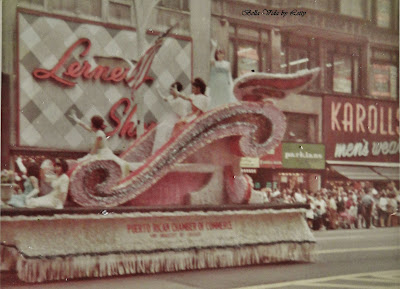
On the Puerto Rican Chamber of Commerce float we have a handful of elegant ladies in long formal gowns of varying pastel shades with formal long white gloves. Waving left and right looking like they belong in a beauty pageant. Especially the ones wearing crowns.
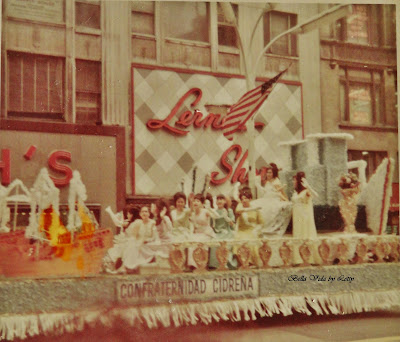
The Confraternidad Cidrena float has even more beautiful young ladies in formal wear. Only one woman gets to wear a crown on this float but they all seem to really be enjoying themselves energetically waving to the crowd in every direction. One or two seem to be responding to someone they saw in the crowd. Maybe a family member or friend. (Cidra is a town located in Central Puerto Rico.)
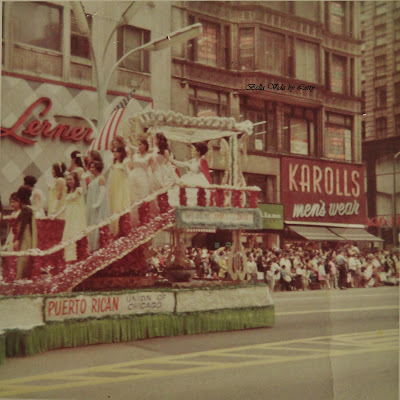
This two story float is sponsored by the Puerto Rican Union of Chicago. It’s amazing how many young beautiful elegant women there are representing our culture. Each wearing a slightly different gown with each head of hair perfectly groomed either with a ribbon or the perfect curls. The queen of this float wears a red cape over her wide white skirted dress reminding me of a Puerto Rican folk bridal doll.

In the next floats we have examples of the type of corporate sponsors who participated in the parade. The name of the beer company is cut off in the photo but I can make out the Meister. I did find a reference to a Meister Brau Inc. a 1960’s Chicago brewery later purchased by Milwaukee based Miller Brewing Co. The immense horses are beautifully adorned and expertly driven by a man in costume.
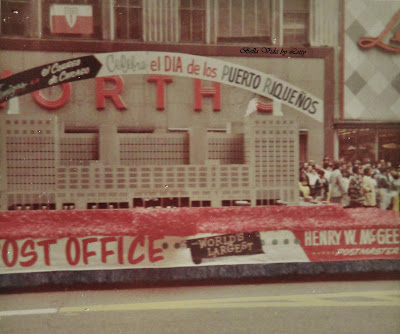
This float says “El correo de Chicago celebra el dia de los Puertorriqueños.” The worlds largest post office celebrates the day of Puerto Ricans. Puerto Ricans are big business for the post office sending plenty of letters and care packages back and forth from the island.
A little history lesson . . .
I was a bit shocked at first when I read this but then not so much the event is placed within context of the period. The 1960’s saw Rock n Roll, Hippies, the first Man on the Moon, the Vietnam War, the assassinations of President Kennedy and Martin Luther King Jr., war protests and the Civil Rights movement.
Arriving from a different country meant adapting to a new place, new customs and new people who did not understand that not everyone who spoke Spanish was Mexican or that speaking Spanish did not mean they were not American citizens. Puerto Ricans in Chicago encountered racism in many forms; having their rent raised so they could not afford to live in certain areas forcing moves to other neighborhoods, being charged higher prices at stores because they were not fluent in the language; racial profiling by police . . .
My take away . . .
I’ve read about the riots from various sources and have come to the conclusion that the riots came in response to years of racist abuse from police, politicians and other citizens upon the Puerto Rican community. The murder of a young man by police was THE last straw. The riots mark a time in history for change. Young Puerto Rican men and women fought back against armed police dressed in riot gear releasing trained attack dogs on them. Racism and abuse of power would not be tolerated any longer. The riots made it clear to police and local government change must happen.
More importantly these events brought to light the issues that needed addressing as well as the education that needed to be spread inspiring community activism and education programs. One of the purposes of the parade as well as community organizations was to educate others about Puerto Rico, its American citizenship, culture, customs and bilingual people. I’m in awe of the people who came together the next year and every year after that to continue the Puerto Rican parade cultural educational campaign.
Now 45 years after that first parade I can report Puerto Ricans are still seen in a negative light. These are the consequences of denying a variety of faces, shapes, sizes and cultures to be seen on television, movies or even be mentioned in history books. A vast majority of Americans don’t even know we are citizens. Puerto Rico has been part of the United States for over a century contributing and building the America we live in today.
I know what I will do. I will continue to write poetry and stories, create all kinds of art and share it with you and the entire world. I will be a catalyst for change.
What you can do:
– Support your local community and local organizations.
– Address local issues where they matter, your local government.
~~~~~~~~~~~~~~~~~~~~~~~~~~~~~~~~~~~~~~~~~~~~~
The following is a wonderful list of resources for more information on the Puerto Rican Day Parade as well as the history of Puerto Ricans in Chicago.
Puerto Ricans in Chicago on Wikipedia
Spanish Action Committee of Chicago Historical Archives
Puerto Rican Parade on NBC Chicago
~~~~~~~~~~~~~~~~~~~~~~~~~~~~~~~~~~~~~~~~~~~~~
Do you have any Puerto Rican day Parade photos?
If you do, I would LOVE for you to share them with me.


These photos feature a few hand embroidered handkerchiefs from my collection. My grandmother passed on her love and appreciation for the beauty and quality of hand made works to me like her grandmother before. She taught me to sew and embroider as a small child. I think we started when I was four or five. My Dad bought me a safe giant ugly green plastic needle kit which I hated because it wasn’t like grandmas. But when no one was looking Abuela let me use ‘real’ needle and thread. It makes me laugh to remember how she kept her colorful threads protected inside of an old cookie tin.

During World War I Puerto Rican embroidery became known worldwide for it’s quality. Production was performed by contracted women and children. Due to US influence Puerto Rico’s three largest exports during this era was tobacco, fruit and cotton goods. To prepare young girls for careers educational policy in the early 1900’s was modified to spend half the day on traditional subjects and the other half learning needlework.
Local contractors would distribute bundles of cut fabric ready to be sewn to women all across the island. The women would return the finished products with beautifully sewn and embroidered details done completely by hand.


 I'm based in the wonderful state of Florida and I write about travel, food, experiences and events. I share tips and tons of photos. If you have a question about visiting Florida let me know how I can help you.
This blog accepts ads, sponsorships, affiliate links, reviews and other forms of compensation. Assume everything is compensated . Honest opinions are for useful information and entertainment. Support BVBL Sponsors by Clicking on these Ads





 Copa America 2015 Chile Sweepstakes Enter Now
 5 Things I Wish I Knew Before I Started Blogging
 Cities of the Dead ~ New Orleans Cemeteries
 Travel: Doors of Savannah’s Historic District
 Exploring the French Quarter in New Orleans, Louisiana
 Beautiful Wanderlust Jewelry
 10 INSPIRING TRAVEL COFFEE TABLE BOOKS
 The Lincoln Memorial in Washington Dc
 Best Gift Ideas for Travelers a Gift Guide
 The Exorcist Steps in Georgetown Washington DC